
Packaging has always been that strange marriage of old wisdom and new possibilities. It is one of those industries solidly rooted in tradition, but always being pushed forward with the new demands of the market. Human needs for storing, shipping, protecting, and presenting their products have always been there. It is how they want the products to look and how the experience of ordering packaging feels that has changed dramatically.
The largest shake-up currently occurs in the industry with the adoption of the 3D Product Configurator. What at one time felt like something from the future is now the standard. For many packaging businesses, this new tool is revolutionizing how they sell, communicate with clients, plan production, and avoid costly mistakes.
Below, learn why so many packaging companies are moving to 3D configurators, how they increase conversions and reduce errors, and why the whole packaging market is moving in that direction. By the time you reach the end, you will understand why this tool is becoming the new standard for any business willing to remain competitive.
Let's explore what is going on in the packaging world and why the technology is crucial.
The New Reality of Packaging Buyers
To understand the rise of the 3D Product Configurator, it first helps to understand the buyer of today's packaging. They are fast, confident, easily distracted, and not interested in long explanations. They want to see the product. They want clear answers. They want to test ideas quickly. They want to finalize decisions without waiting days for a designer to build a preview.
A procurement manager doesn't want to scroll through endless descriptions. They want to rotate a box in 3D and see how their branding fits, immediately adjust sizes, visualize printing options, and clearly see the product before they approve anything.
What buyers do not want is for you to tell them; they want to explore for themselves.
That simple fact is why 3D configurators have grown to become such powerful tools; they let buyers experiment and preview everything in real time. When buyers feel in control, they do not hesitate: they approve quickly and buy confidently.
The rule is that the more clearly you show in packaging, the more you sell.
What a 3D Product Configurator Actually Does
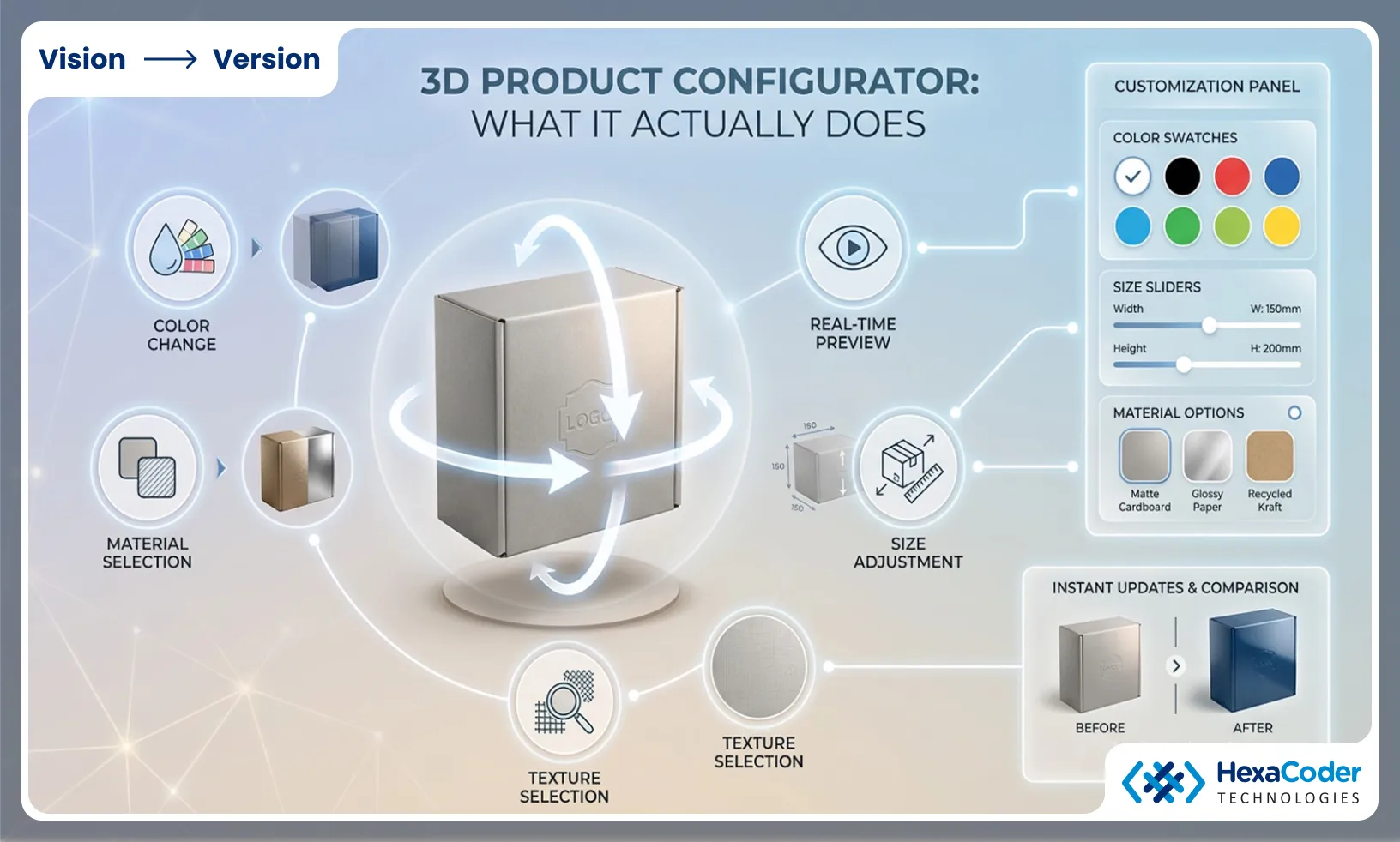
A 3D Product Configurator is a web-based, interactive application that lets customers digitally design their custom package. Instead of viewing flat images, they work with a realistic three-dimensional model that they are able to rotate, inspect, and edit. They can add artwork, change materials, try various finishes, or adjust dimensions, instantly seeing the results.
Imagine a customer personalizing a printed box. Instead of waiting two days for your designer to mock up their request, they get an instant preview. No long email chains, no miscommunication, no delays.
A Packaging 3D Configurator is much more than a tool; it's an immediate virtual showroom, a design environment, a sales asset, and even a communication bridge.
Why Packaging Companies Are Making the Upgrading
Movement to 3D configurators is not a trend; this shift is because of customer expectation and pressure from the industry. Here's why companies are adopting it.
- The customer would rather see the product than imagine it.
Packaging is visual. Buyers need to see structure, shape, finish, and branding before making a decision. Text can't fulfill those needs. Static images are limiting. Long design cycles are exhausting.
A 3D configurator solves this in an instant. When buyers can clearly and confidently preview packaging, they move from doubt to certainty. And certainty translates into fast purchases.
- Real-time rendering reduces costly errors.
Packaging errors are expensive. The number of misprints, size errors, misunderstood directions, wrong dielines, and misplaced art adds up very quickly. Time wasted due to mistakes destroys schedules and aggravates clients. Most mistakes occur because of miscommunication, the buyer is seeing one thing; the team produces another.
A 3D configurator fixes this by making everybody look at exactly the same thing: the buyer, the designer, and the production team align visually. Misunderstandings shrink dramatically with just one shared reference. This alone has convinced many packaging suppliers to adopt the technology.
- The sales cycle becomes shorter and smoother.
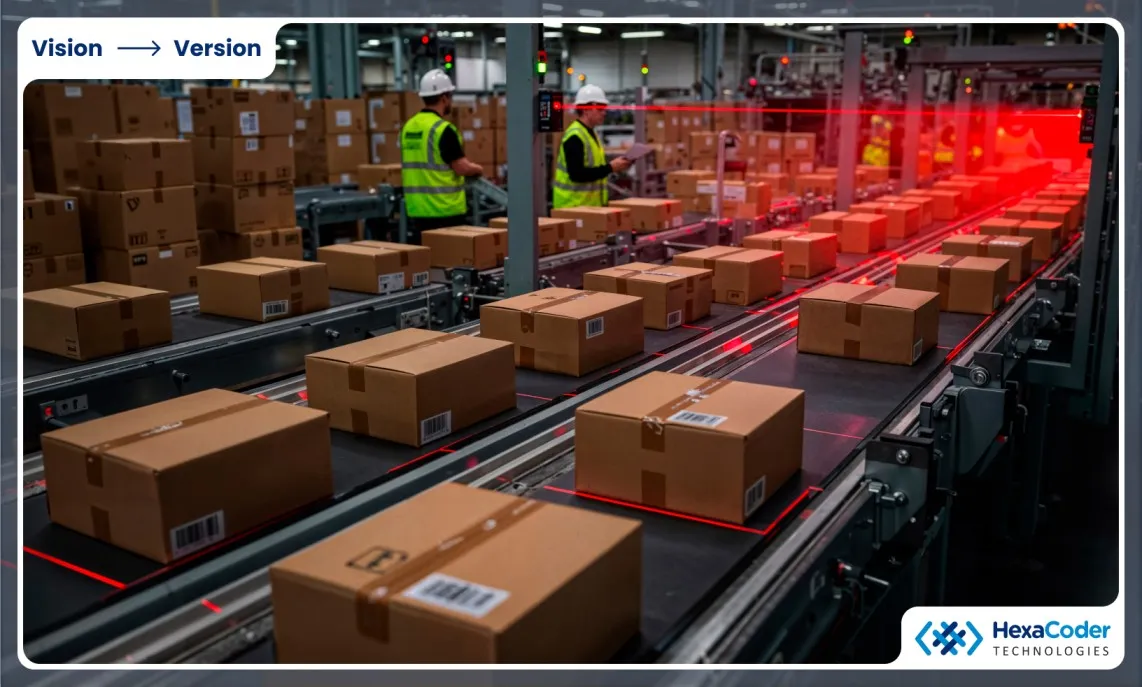
Sales of packaging are often slow because the customer continually wants revisions, clarifications, or previews of samples. A configurator eliminates many of these delays.
The customer makes the design themselves. They see options immediately. They make their decision more quickly. This can save days, or even weeks, off the sales cycle.
A shorter sales cycle translates to more revenue and less pressure on the team.
- The professionalism and trustworthiness of your business increase.
Suppliers have gotten used to judging the companies who use the 3D Configurator. They see these companies as modern, organized, and serious. They see companies that still use manual processes as slow and inaccurate.
In business, perception is everything. Custom configurators represent business, clarity and confidence.
- The customization growth is exponential.
In the packaging industry, customization is no longer a luxury but a necessity. Brands want packaging to represent their identity, and they want it in custom sizes, shapes, finishes, and prints.
Your configurator allows customers to curate their own options for customization, and it does not overburden your team. It also allows the scaling of personalization.
- It eliminates over-reliance on your designers.
Prior to configurators, designers were spending excessive amounts of time on mock-ups that were ultimately boring and repetitive. Such tasks are brain drains and slow down the entire enterprise.
The customer will be able to create their own previews if a 3D configurator is used. Designers will still have important, complex, and higher-value work to do, but it will not be repetitive. That will be a productivity win.
- It brings in more serious leads.
People who invest time in configuring the packaging aren't casual browsers. These are prospects that already feel somewhat invested in the process: they have explored details and made choices, so they come prepared to buy.
Sales teams waste less time on weak leads and focus on motivated buyers.
How 3D Configurators Boost Conversion for Packaging Firms
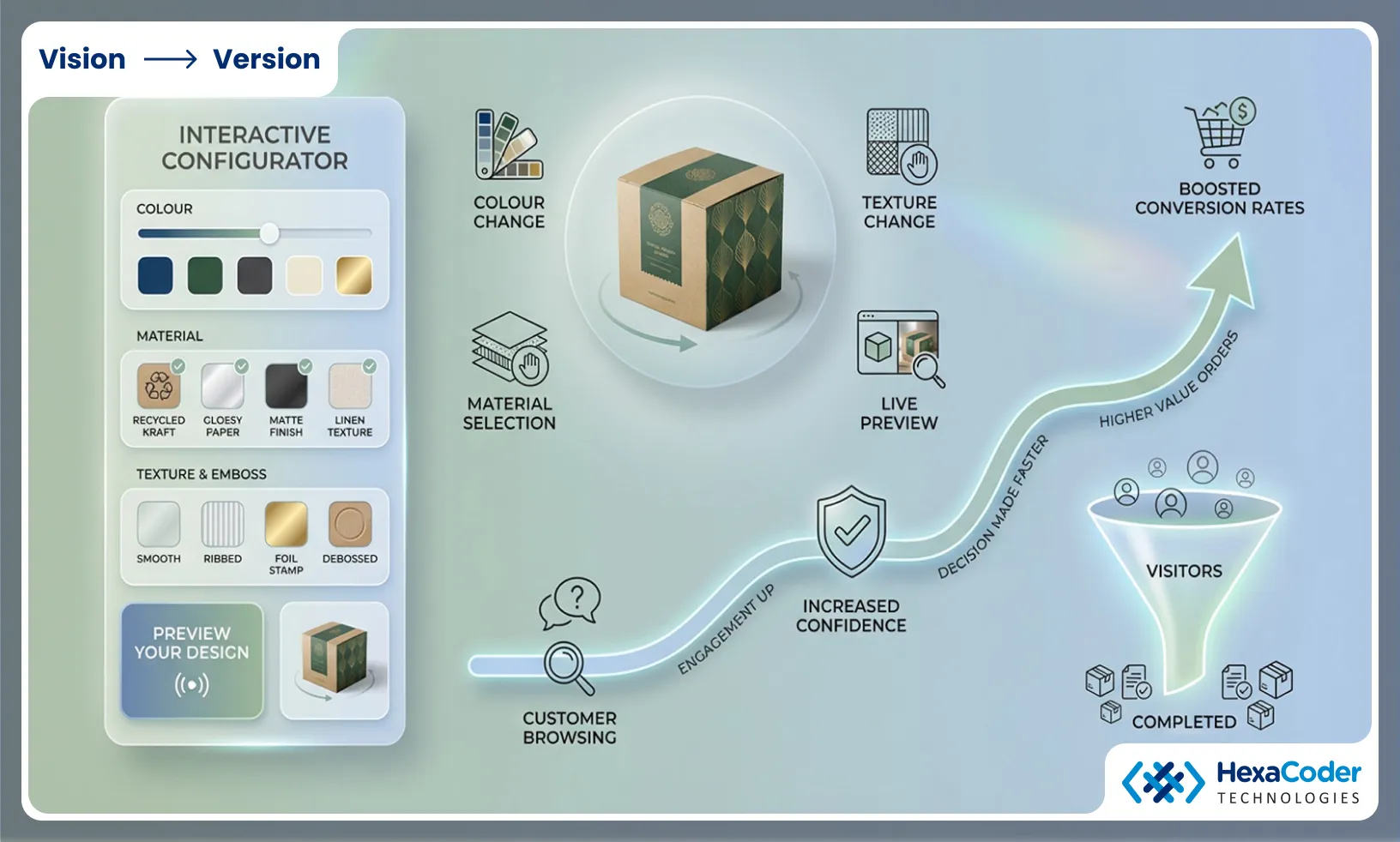
Here's the fact every packaging business looks to: configurators increase conversions; they lift sales numbers simply because they remove hesitation.
Customers believe in what their eyes can see. They tend to spend more time on your website. They interact with the tools. They start to envision the final product in their hands. They take ownership of what they design. They understand the offer clearly. Feeling confident, they move quickly to make the purchase.
The psychology behind this is simple: the clearer the experience, the easier the yes.
In fact, packaging companies using 3D configurators can report consistently higher conversion rates because buyers are no longer confused or unsure.
- Reduce Errors with 3D Configurator
One of the major hidden benefits is error reduction. Production mistakes are costly, but they mostly happen because someone misunderstood a detail. A configurator stops this chain reaction before it starts.
It makes dimensions clear. It makes artwork placement unmistakable. It makes material selection visible. It makes finishing options transparent. It ensures every team member works off the same shared visual model.
The result becomes fewer disputes, less wasted material, and smoother production.
- Financial Impact of a 3D Configurator Implementation
Packaging companies invest judiciously. Any new system must make financial sense. A configurator does that easily.
It increases conversions: the more sales, the more revenue coming in. It reduces design hours: that cuts down labor costs. It prevents production mistakes. Every error that is avoided saves money. It speeds up approvals. Faster deals mean improved cash flow. It increases average spending. Once customers see better materials or finishes, they often choose those. It brings in larger clients. Bigger businesses prefer suppliers that have self-service tools.
Return on investment can often be rapid and measurable.
Why Real Time Product Rendering Matters
Real-time rendering is the heart of the configurator experience, bringing it all to life in an instant.
There is no waiting to see a preview of what was changed. Whatever changes are made show up right away. The customer feels in control: they clearly comprehend proportions, color and texture; they compare several options without puzzlement. They become more confident.
Responsiveness at this level transforms the buying experience.
How 3D Configurators Improve Internal Processes
Configurators help not only customers but also strengthen the internal operations.
Sales teams explain less and close more. Designers avoid doing repetitive mockups. Production teams receive clean, accurate information. Customer service has fewer issues. Managers have a better understanding of customer preferences.
The whole organization becomes efficient.
The New Standard for B2B Packaging Purchases
Today's business buyers demand digital clarity. They deserve-and expect-the same seamless experience they get with today's modern consumer shopping. They want transparency. They want accuracy. They want tools that help them decide fast.
A 3D configurator gives them precisely that.
That's why more B2B procurement teams are choosing suppliers that present them with configurators. It makes buying easier, and buyers will always take the path of least resistance.
The Emotional Side of 3D Packaging Tools
Even business-to-business decisions have an emotional basis. A configurator makes packaging design hands-on. Customers are curious. They enjoy the process. They get excited about seeing their branding come alive. They feel attached to what they create.
In fact, that emotional connection leads to faster approvals and stronger loyalty.
What Buyers Expect From A Modern Configurator
When customers use a configurator, there are expectations that arise.
- They want simplicity in controls.
- They want realism in visuals. They want a lot of options.
- They want the ability to upload their artwork.
- They want high performance. They want transparent pricing.
- They want the option to use it on mobile devices when necessary.
Instantly, companies that offer these features feel more professional and dependable.
What Packaging Companies Gain When Customers Feel in Control
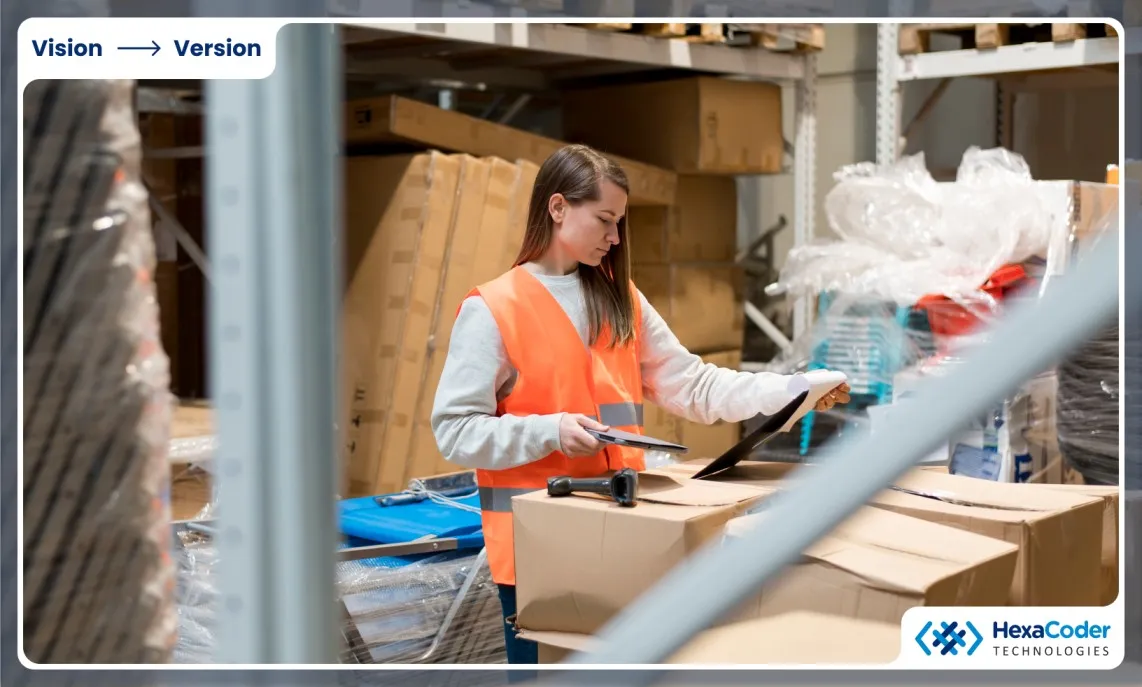
When customers feel empowered, your team no longer bears the full weight of guiding them. They answer their own questions simply by experimenting. They make decisions faster. They understand features better. They reduce unnecessary back-and-forth.
Empowered customers are easier to support-and easier to satisfy.
Why Hexacoder Fits Perfectly Into This Shift
With tools crafted to make the digital experience smooth, intuitive, and visually impressive, Hexacoder fits organically into the packaging industry. Packaging companies trust Hexacoder because it delivers configurators that help customers understand more clearly, decide faster, visualize accurately, and enjoy the process.
Hexacoder focuses on building tools to make life easier for both the packaging supplier and the customers they serve. That's why more businesses are turning to them as they modernize.
A Better Way to View the Future in Packaging
In the future, more enhanced features will enable customers to preview packaging in real environments, make smarter suggestions while customizing, and better understand options with clear visual explanations. This will gain deep insight for them into what customers prefer.
But that foundation of this future is already here. Organizations now adopting configurators are leading, and will continue to lead, their competition.
A Reflection for Packaging Businesses
Change is at hand within the packaging world. Customers expect more. Competition is on the increase. Companies that are dependent on slower, antiquated processes will be squeezed. Those companies embracing clarity, visualization, and interactive tools will take the lead.
A 3D configurator is much more than a feature-it's an advantage. It's a smoother sales journey. It's a clearer communication tool. It's a reducer of mistakes. It's a builder of customer confidence. It's a signal that you're ready for the future.
What buyers of packaging want is simplicity. They want control. They want to see exactly what they are buying. A configurator gives it to them with ease.
The adoption of a configurator is among the smartest decisions to be made for any packaging company willing to grow, stay ahead, and serve customers better. The early movers will lead the industry with each passing day.
Simple in tone, but straightforward in content: clearer visualization leads to better decisions, better decisions lead to happier customers, and happier customers lead to stronger business.
And that is the path that the packaging industry is taking today.