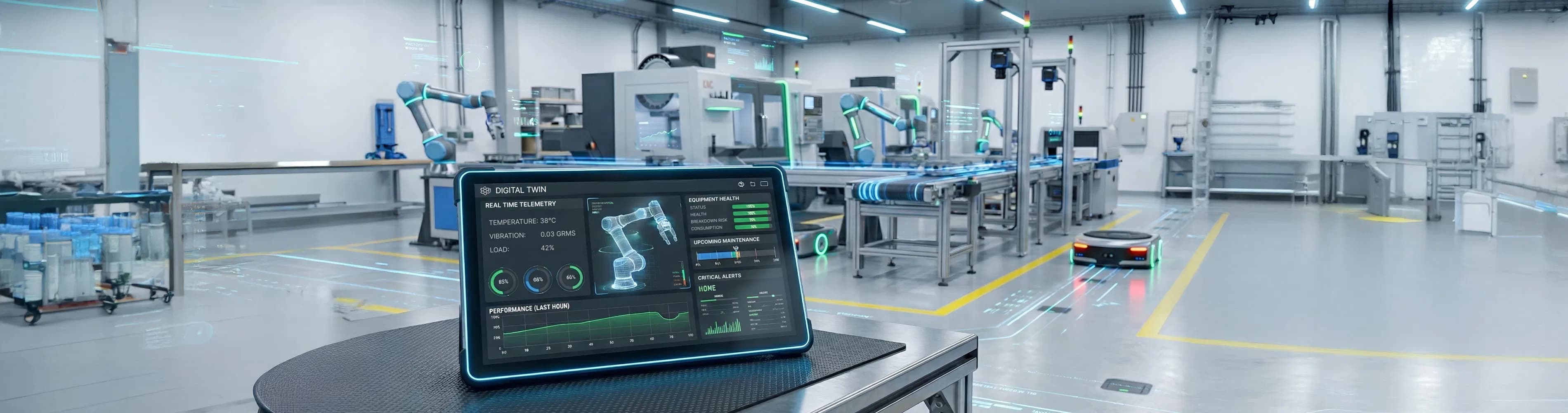

Products today are found, assessed, and purchased with digital qualifiers with a far broader outreach than a mere static visual and basic specifications. Digital customers expect visions even beyond interactivity and internal-exploratory means of making a purchasing decision, even before they benefit from it. The traditional presentation methods of the product often do not live up to the high standards of a crowded market whose attention span is very low and the competition so strong. This change in consumer behavior has led to the technology being adopted rapidly in various sectors into the fold of 3D product configurators with an extensive scope. These configurators can be used anywhere.
3D product configuration offers users the opportunity to experience products at all angles interactively and in real time. It allows cost-effective surveys of different preferences and reflects their impact on the final outcome in real time. Rather, instead of speculating what a product would inevitably look or function like, customers can touch precisely those digital representations that most closely depict the real product. Transparency thus tremendously reduces uncertainty, builds confidence, and eases buying decisions across the whole consumer journey.
Industries encountering complexities in configuration, high-value items, or custom-made products have realized great benefits with this technology. From retail and manufacturing to automobiles, real estate, healthcare, and luxury goods, 3D configurators have become essential elements of modern-day digital strategies. They combined provide a better customer experience and also improve the sales process by reducing errors and dissatisfaction post-purchase. As customer-centric design and digital innovation become the mantra for business development by brands today, 3D configurators cannot be termed as optional enhancements. They have become integral tools in helping brands differentiate themselves, enhance conversion rates, and cater to the growing needs of today's customers primarily interested in digital transactions.
eCommerce and Retail
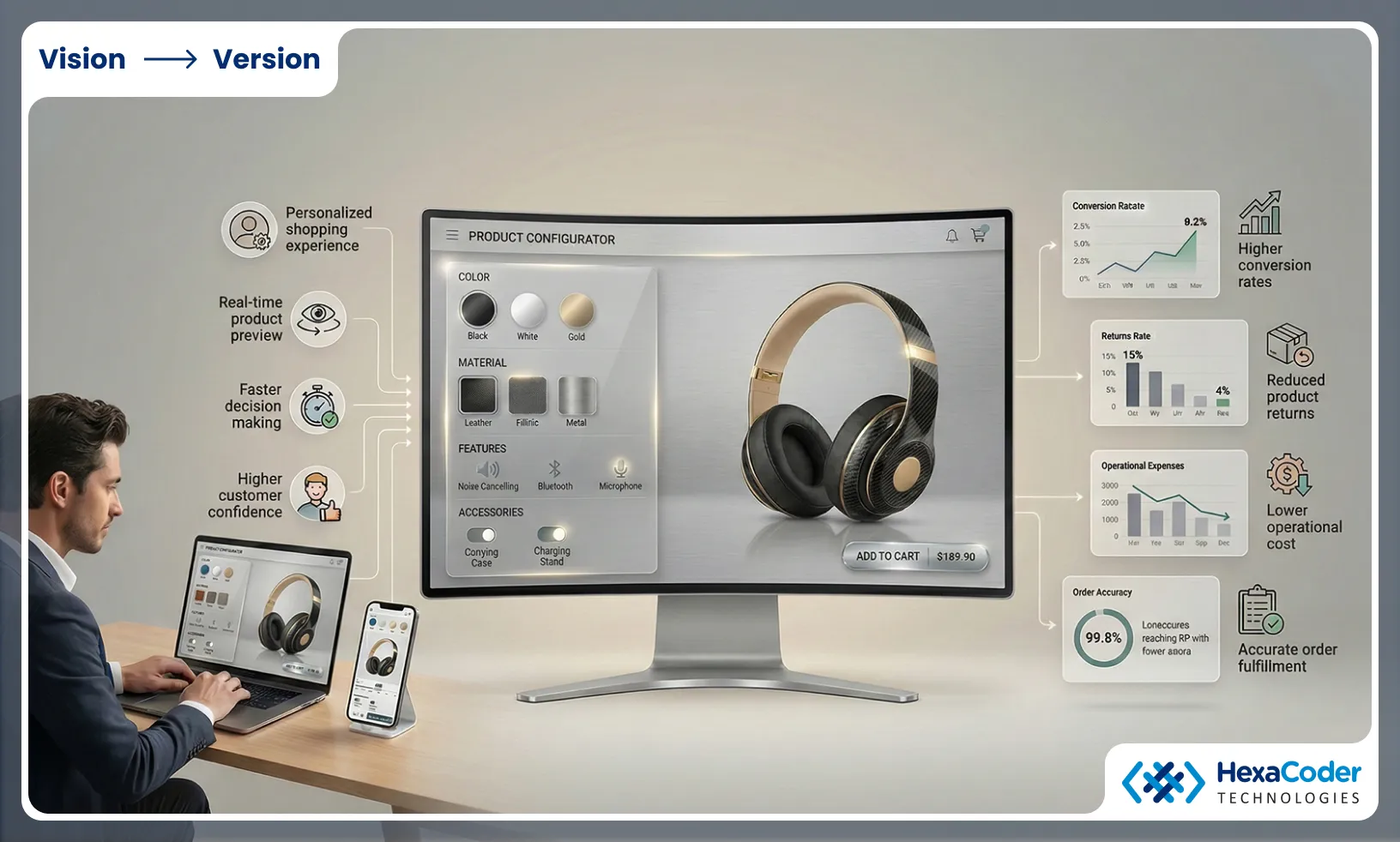
As early as the beginning of 3D product configurators, among the leading industries to adopt would be eCommerce and retail, partly because of the translation attempt between the two shopping types-in-person versus online. Oftentimes, with online shopping, customers are hesitant about going through with their purchases due to the fact that they cannot touch, feel, or inspect a product physically. Size, proportion, material finish, and overall appearance are often the many questions that tend to sow doubt, end up in incomplete purchases, or create post-purchase disappointment. This is where 3D product configurators come in, allowing customers highly visual and intuitive product interaction simulating an in-store experience.
For example, in the case of the furniture, home décor, fashion accessories, eyewear, and lifestyle categories, the configurator enables customers to rotate the items, zoom into fine details, explore textures, and customize the color or material according to their taste. The level of interactivity here increases confidence through clearer pre-purchase expectations. The customer knows what she is purchasing, and thus, return and exchange situations are much minimized. For retailers, this also means increased conversion rate, lower operational costs, and higher brand differentiations. With 3D configurators, brands have much improved immersion, experience, and loyalty-building by active participation in an increasingly defined and competitive digital retail arena.
Manufacturing and Industrial Products
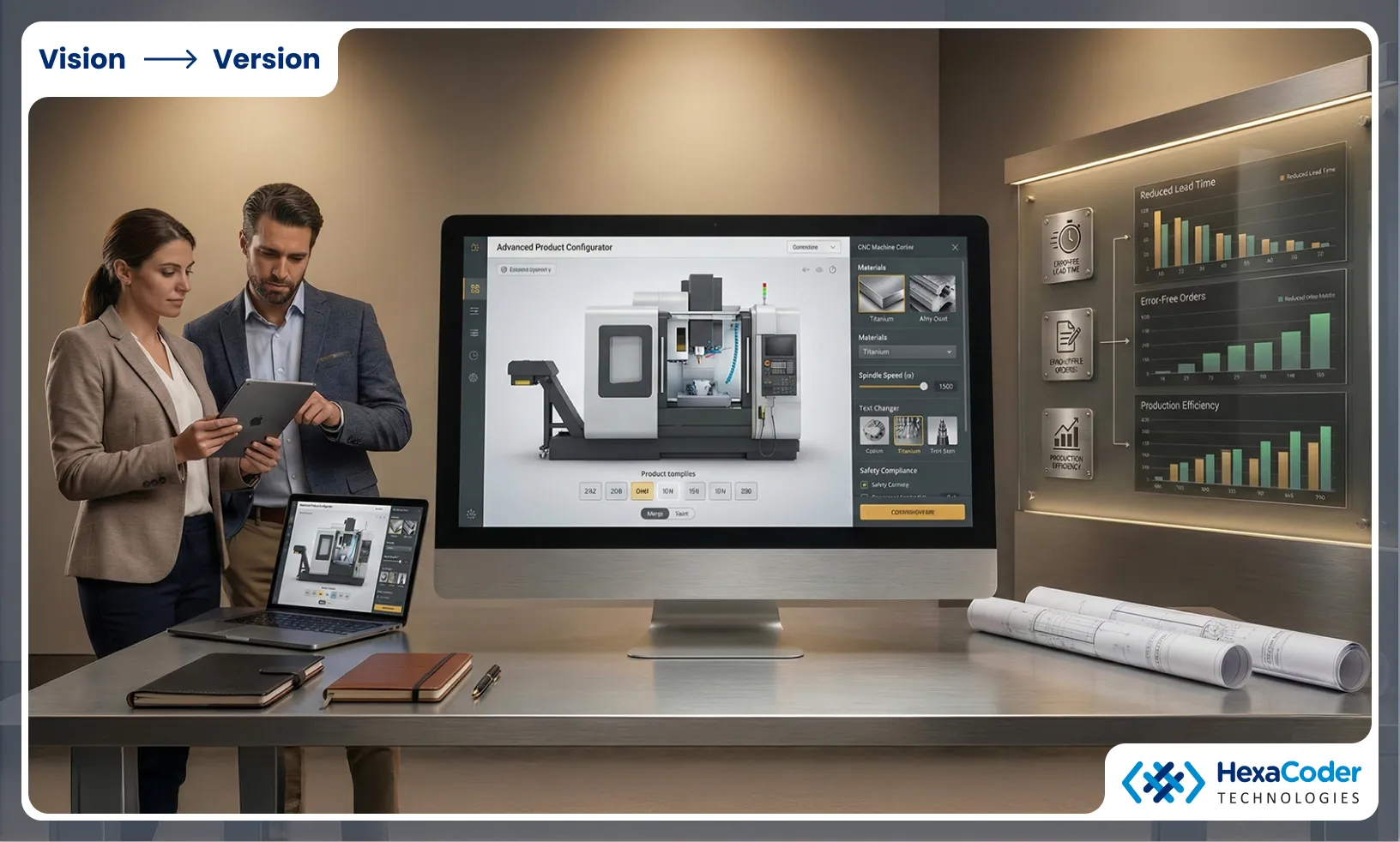
Manufacturing and industrial products are inherently complex, with a great deal of multiple components, technical specifications, and configurations. The typical selling methods are based on thick catalogues, static diagrams, and consultation processes, which all lead to misinterpretation and lengthened sales cycles as well as costly mistakes. There is the simplification of the product complexity in 3D product configurators. Instead, products can now be presented in interactive, even visual, formats that are relatively easy to understand and evaluate by the industry.
Configurators allow buyers to navigate the machinery, equipment, or assemblies in three dimensions to clarify how individual components might fit together and what the eventuality might be for the different specifications. Personalization possibilities like size, capacity, materials, and compatibility can be immediately visualized, taking out ambiguity when buyers are deciding. Such visualization helps speed up internal processes for manufacturers, linearly linking customer choices to engineering, pricing, and production systems. This translates to faster quotations, fewer errors, and higher coordination among sales and operations teams. By increasing trust and transparency, 3D configurators are a way for the industrial brands to shorten their sales cycle and improve customer satisfaction.
Automotive and Mobility
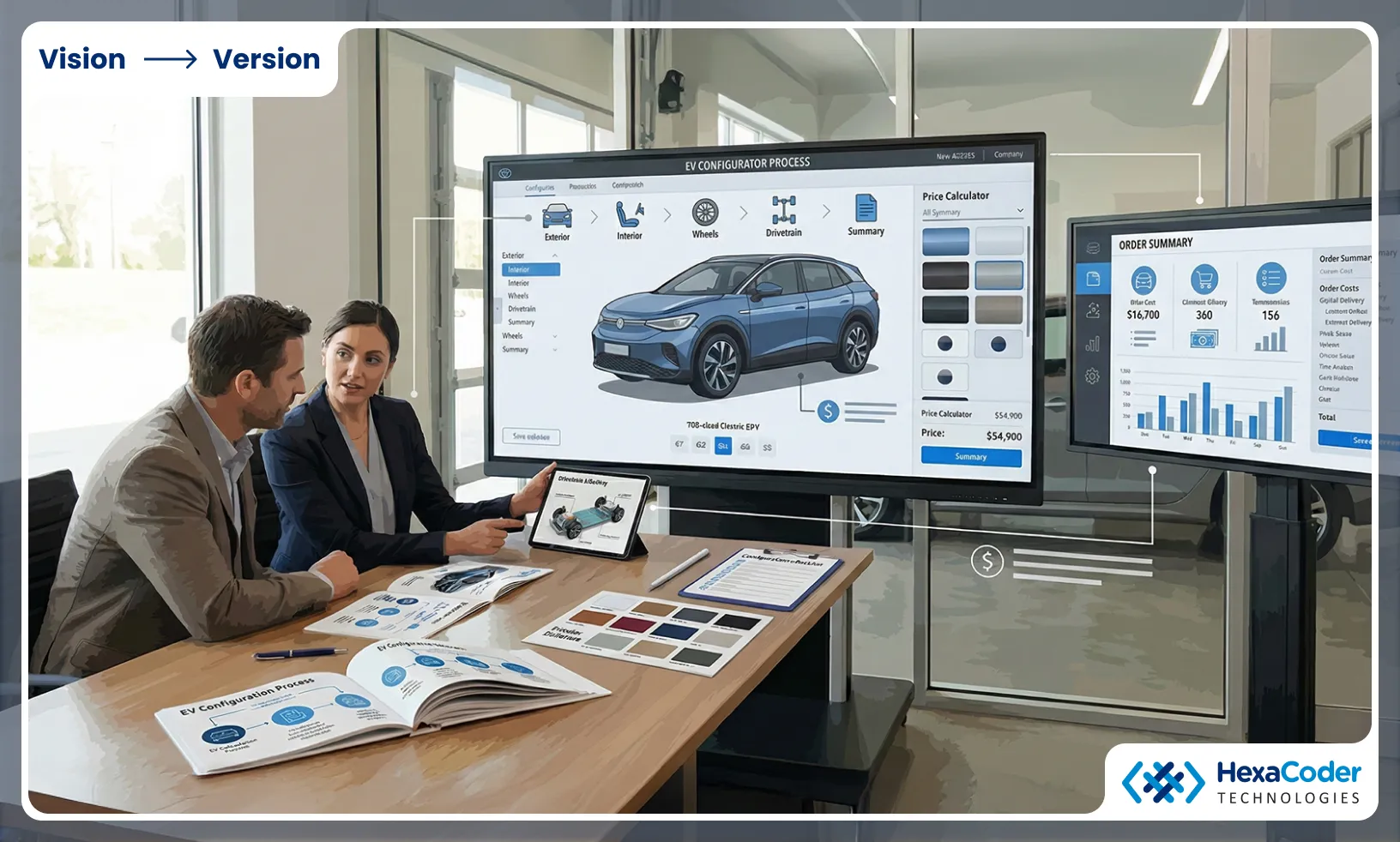
The automotive and mobility business recognizes how critical product configuration is to purchase. Vehicles are high-value and high-involvement purchases. They purchase the ability to personalize options according to their tastes, needs, and lifestyles. The 3D product configurators allow automotive brands to give the customers an immersive digital showroom experience, closest to the experience in real life.
Customers are able to customize the exteriorcolors, interior materials, wheels, trims, and optional features while at the same time getting to see the results instantly in real-time. Thus, inducing emotional engagement and allowing buyers to feel a sense of ownership well before the finalization of the purchase. Beyond passenger vehicles, configurators are now also being used for electric vehicles, bikes, commercial fleets, and mobility accessories. For automotive brands, these offer tools that elevate lead quality as they capture detailed preferences early in the journey and support sales team's more informed discussions. Enhancing transparency and personalization, 3D configurators drive the improvement of customer experience, frictionless journeys, and confident purchasing decisions for automotive industries across digital channels.
Real Estate and Architecture
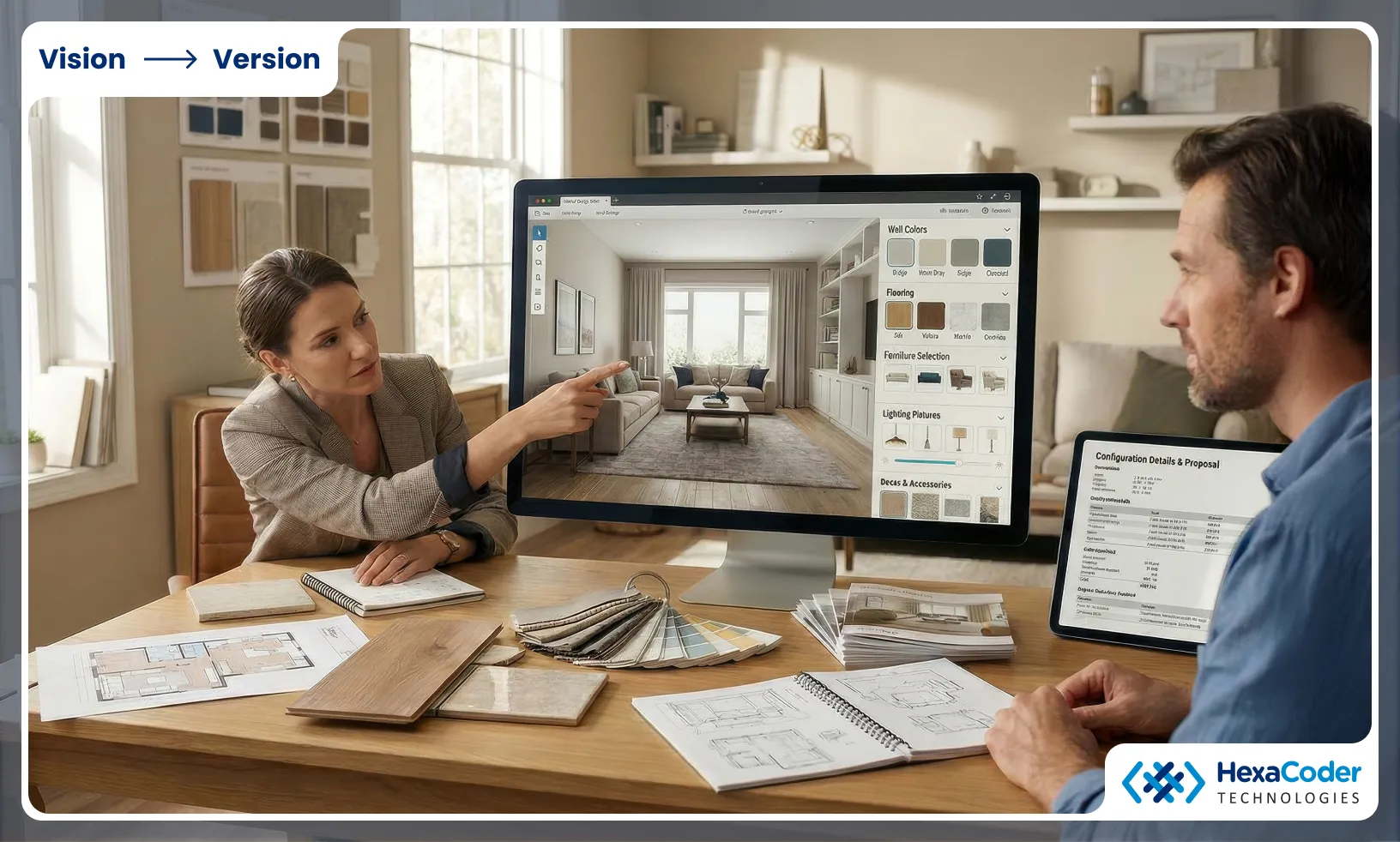
Visualization is a major deciding factor in influencing buyers' and clients' decisions in real estate and architecture. Classical devices such as static floor plans, photographs, or 2D renderings tend not to communicate spatial flow, scaling, and design potential effectively. Thus, generating difficulty for potential buyers, investors, or clients to obtain comfort with a property or architectural concept. 3D configurators provide solutions by enabling immersive interactive visualization of spaces and layouts.
Through configurators, users can virtually walk through properties, manipulate layouts, choose materials, and visualize interior finishes in real time. This cuts back on visits to a physical site and enables greater, more confident decisions. For architects and developers, the use of configurators promotes communication so that clients appreciate design intent and options. It also assists in building the emotional connection that prospects create with a space before its construction is completed. By allowing a realistic preview and providing interactive control, 3D configurators instill trust, ensuring the clear and speedy approval of sales and planning processes of particular projects across the Real Estate 3d Software and architecture nexus.
Consumer Electronics
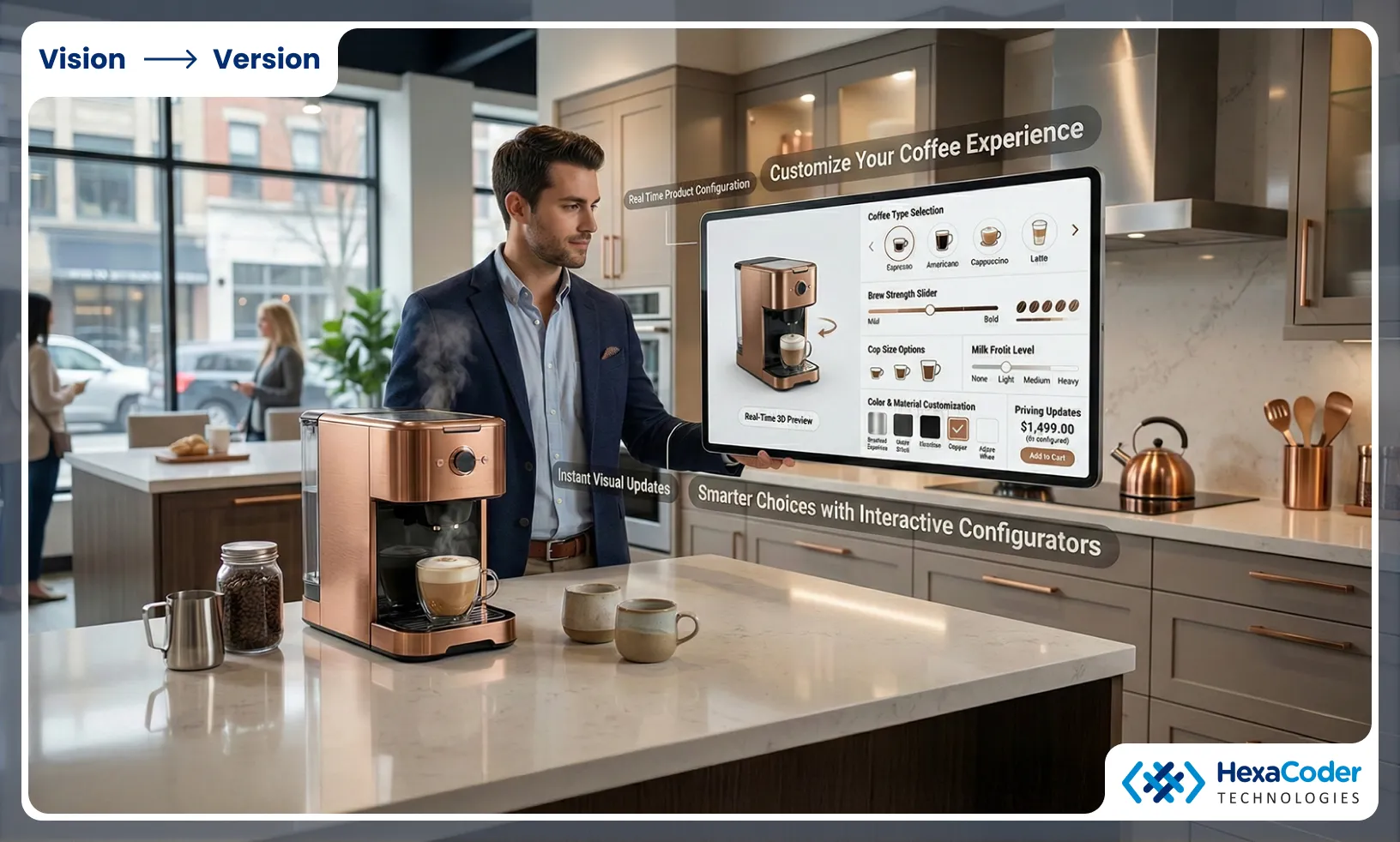
Consumer electronics products are often available in multiple configurations, specifications, and accessory combinations, which can make purchase decisions challenging for customers. Buyers want to understand not only how a product looks, but also how it fits into their existing ecosystem of devices, usage habits, and technical requirements. Traditional product pages that rely on static images and specification tables frequently fail to communicate this effectively. 3D product configurators address this gap by enabling electronics brands to present their offerings in a more interactive, intuitive, and visually engaging way.
Through a 3D configurator, customers can view real-time product variants while configuring laptops, smartphones, wearables, smart home devices, or audio equipment. They could view all the design changes, compare the sizes, and understand the variations in features instantly without interpreting complex technical documentation. That visual clarity eliminates confusion, shortens the decision-making process, and builds confidence in the final purchase. The 3D configurators act as strong communication tools for electronics brands that show innovation in product design and value rather than relying too heavily on customer support teams. With greater clarity and better-informed user choices, 3D configuration also results in greater customer satisfaction, lesser returns, and better brand perception in such an increasingly competitive consumer electronics market.
Fashion, Jewelry, and Luxury Goods
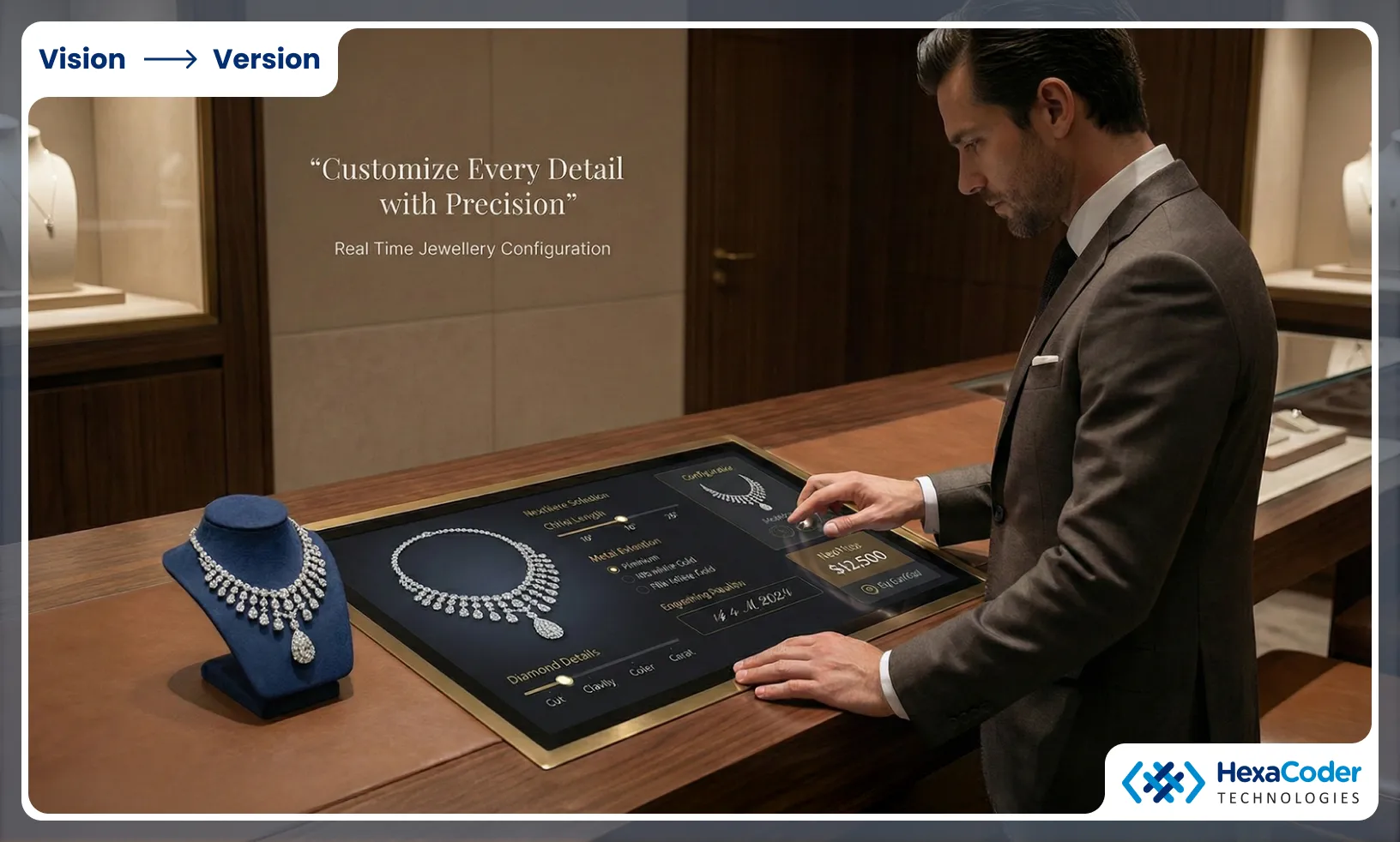
The core tenets of fashion, jewelry, and luxury are customization, exclusivity, and visual storytelling. It is more than a mere purchase for customers in these segments; they are getting individualized expression, craftsmanship, and brand identification. The 3D configurations products have become important tools for luxury brands dealing with delivering bespoke experiences at scale, as personal expectations from personalization increase. The configurators allow brands to provide specific personalization options while ensuring that their digitized output remains consistent and operationally effective across channels.
3D configurators in the jewelry sector allow customers to choose one of the preferred metals in the piece, with choices of stones, settings, and engravings, while visualizing how the final piece would look in real time. Given that "high-value" purchases have a strong emotional and trusted bond concerning the buying decision, this type of transparency is valuable for trust-building. User configurators when trying out combinations of color finishes and textures in fashion and luxury accessories help produce a sensation of ownership and personal involvement prior to the purchase. This interactive experience ultimately strengthens emotional attachment, increases the perceived value, and heightens the willingness to buy products custom-made online. By making personalization and visual precision possible, luxury brands combine their exclusivity with a larger digital footprint through the use of 3D configurators.
Home Improvement and Interior Design
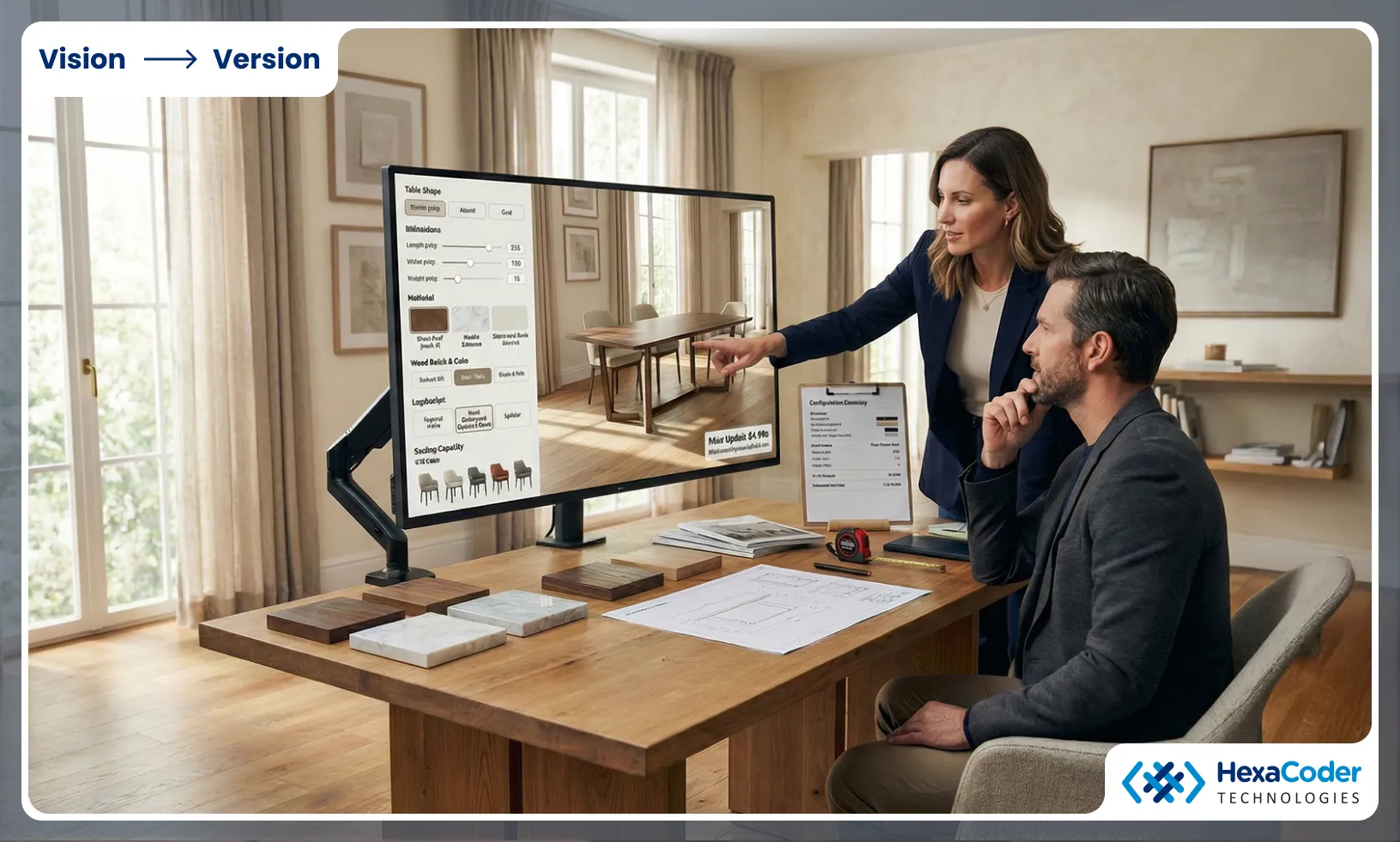
Static images or samples aren't able to convey the beauty of products in their final setting. For most people, at least for most new home decorators, they want to imagine how products will look in their own spaces with simple decisions around paint color, tile, and furniture. All that fixture and furniture, as well as fittings, can look dramatic under the wrong lighting, room layout, and surrounding elements. That gap in visualization is improved effectively by giving 3D product configurators to customers in previewing the product in realistic, context-driven environments.
Interactive configurator tools enable users to try out different combinations of materials and finishes, as well as layouts, and instantly see the impact of their choices. The clarity this gives reduces uncertainty and thus helps customers make decisions with higher confidence, minimizing the chances of purchase disappointment. Configurators also result in higher average order values for home brands, since those consumers are more likely to be looking at complementary products and higher-end options. Furthermore, these tools help ensure that homeowners, designers, and contractors have a common visual reference through the planning stage. As digital convenience becomes an essential ingredient in home planning, it is critical to 3D configurators in terms of clarity, confidence, and consistency across the entire customer journey.
Healthcare and Medical Equipment
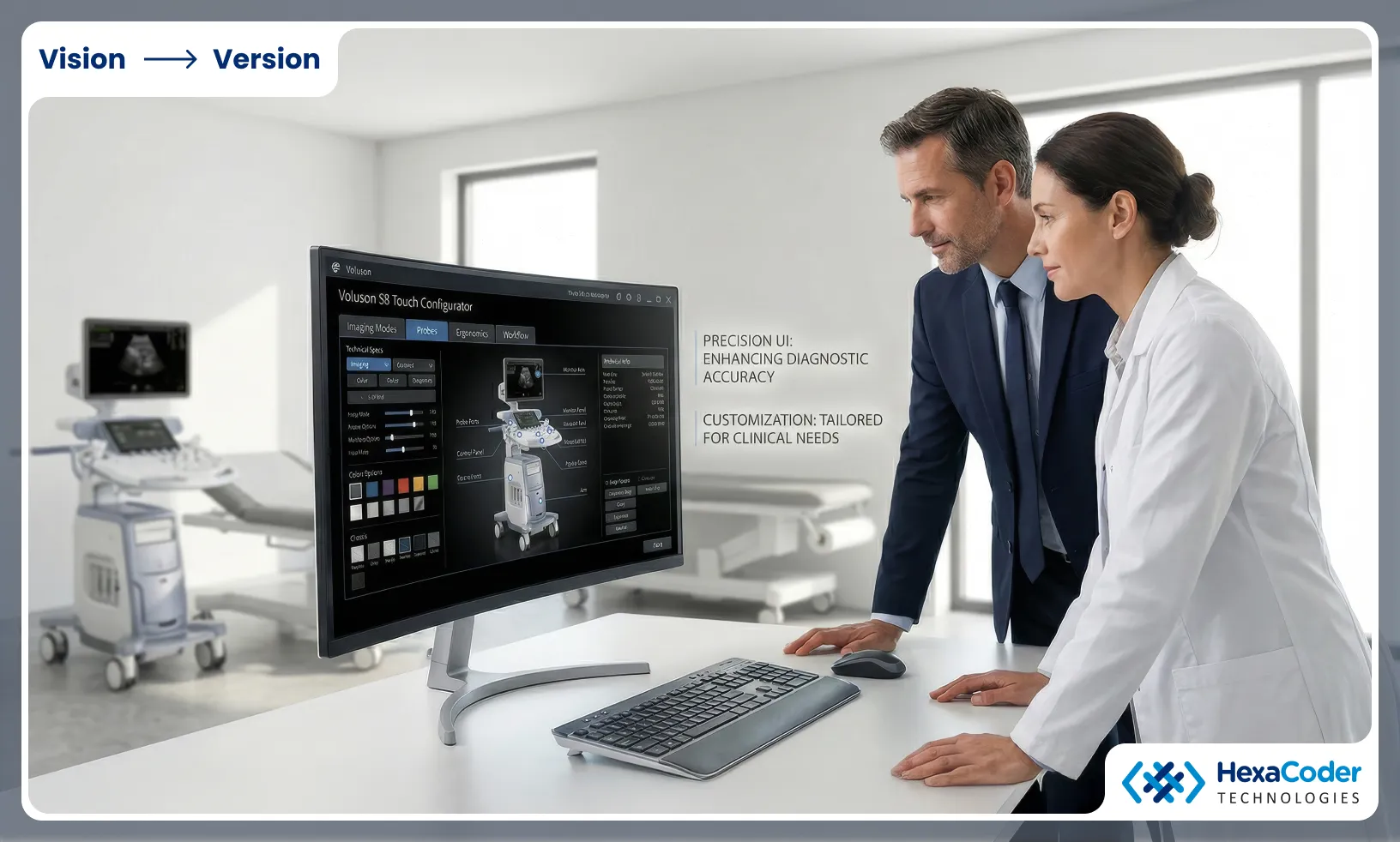
Precision, accuracy, and compliance are key elements in the health sector. Most of the time, a medical device or equipment needs a configuration that is based on a defined clinical requirement, physical space constraints, and regulations. These specific configuration requirements can be visualized better to the healthcare providers through 3D product configurators, procurement teams, and manufacturers.
Configurators provide understanding and minimize erroneous selection using complex equipment in an interactive manner. With stakeholders exploring dimensions, components, and setup options, the purchase or installation is ensured. For manufacturers, it supports clearness and accelerated approvals, thus building trust with healthcare organizations. As digital transformation continues across healthcare systems, 3D configurators become important tools in education, sales, and decision-making, bridging the gap between the highly technical and the user-friendly.
Importance of 3D Configurators Increasingly in Industry
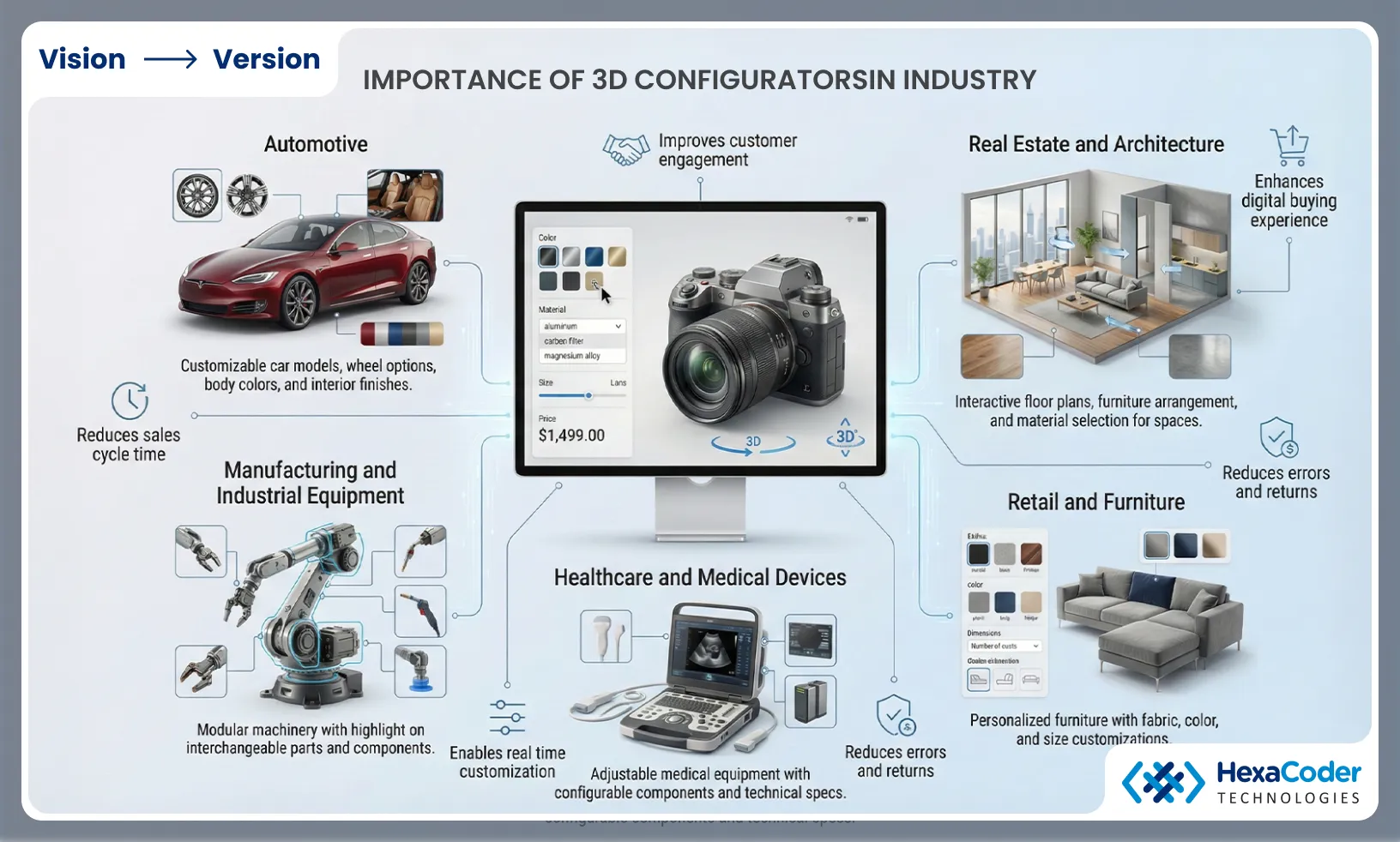
The widespread adoption of 3D product configurators is indicative of how most industries are really beginning to understand the much bigger picture of how it is today reshaping businesses within their digital environments. As consumers now insist on clarity, control, and, above all, transparency before purchase: Static images and even simple descriptions can not longer do; for complicated, customizable, or high-value goods, there is even more reason for people to demand a complete three-dimensional configurator. 3D configurators fulfill this by turning the very traditional presentation of the product into an interactive live experience that allows users to explore, customize, and understand products in real time.
These are all factors which, when mixed, help to yield informed choices free from uncertainty or guesswork. The clarity thus engendered will only serve to get more individuals interacting with the digital channels, keeping them longer on the websites attracted by high conversion rates. Offering and having such high-end visualization tools, rightly, affirms a brand's credibility, innovation, and customer-centricity. An industry bound to growth through sustained investment in immersive visualization tools seems well placed, as digital experiences increasingly tend to influence buying decisions. 3D configurators are no longer perceived as extra goods or experimental features; indeed, they are morphing into core constituents in modern digital strategies, considering user experience, trust, and differentiation in the eyes of the market into the long term.
Conclusion
3D product configure has now grown beyond ridicule as a specialized visualization tool, and it is already emerging as a strategic asset across multiple industries, including retail, manufacturing, automotive, real estate, healthcare, and consumer electronics. It is here that the configurator adds really significant value in a digital age of customers demanding transparency, control, and immersive experience: interactive versus static presentations of product views in real time. These tools bring customers to the close of what there is between physical and digital buying journeys by allowing them to explore and customize products before purchasing.
Adopting the 3D configurators takes away ambiguity throughout decision making. It would be clearer for customers to understand the features, configurations, and outcomes of a product leading to increased confidence and improved conversion rates. From the operational position, configurators also make operations more efficient in linking customer selections directly with pricing logic, production workflows, and fulfillment systems. In this reduced error environment, short sales cycles, and reduced expensive returns, configurators integrate customer engagement within long-range business advancement lines.
As web technology continues to advance, it is expected that the role played by 3D product configurators will expand even further. New horizons will be opened for configuring such a setup, for example, through linking them with artificial intelligence to allow much smarter personalization or integrating augmented reality to visualize products in real-world environments. Deep data insights through digital twin technologies will further link the configurators with real-time operational data for greater precision and scalability. Brands that buy into 3D configurators today are not simply following trends; rather, they are future-proofing themselves by redefining their digital presence and how products will be marketed, sold, and experienced in a rapidly interactive, customer-driven digital world.