

The year 2025 has emerged as one of the deadliest periods for commercial aviation in over a decade, with global civil aviation fatalities surpassing 460 in just the first half of the year—significantly exceeding the decade-long average of 284 fatalities. As the aviation industry grapples with an alarming series of accidents, from the catastrophic Air India Flight 171 crash to the devastating Potomac River mid-air collision, a critical question emerges: Could these tragedies have been prevented? The answer lies in an innovative technology that's revolutionizing aviation safety—digital twins.
The Grim Reality of 2025's Aviation Crisis
The numbers tell a sobering story. According to the International Air Transport Association (IATA), the first half of 2025 saw 24 reported accidents, with seven fatal incidents resulting in 385 fatalities. While this represents fewer fatal accidents compared to full-year 2024, the total number of fatalities has increased dramatically due to several catastrophic incidents. The National Transportation Safety Board (NTSB) reports that as of November 2025, there have been 1,203 aviation accidents in the United States alone, including 226 fatal accidents.
The surge began even before 2025, with two devastating crashes in late December 2024 setting a tragic tone. The Azerbaijan Airlines flight that crashed in Kazakhstan on December 25, 2024, killed 38 of 67 people aboard after reportedly being struck by a Russian anti-aircraft system. Just four days later, on December 29, 2024, Jeju Air Flight 2216 overran the runway at Muan International Airport in South Korea after a belly landing, killing 179 of 181 people on board in what became South Korea's worst domestic aviation disaster.
A Detailed Account of 2025's Major Aviation Disasters
January 2025: Collision Over Washington and Philadelphia Tragedy
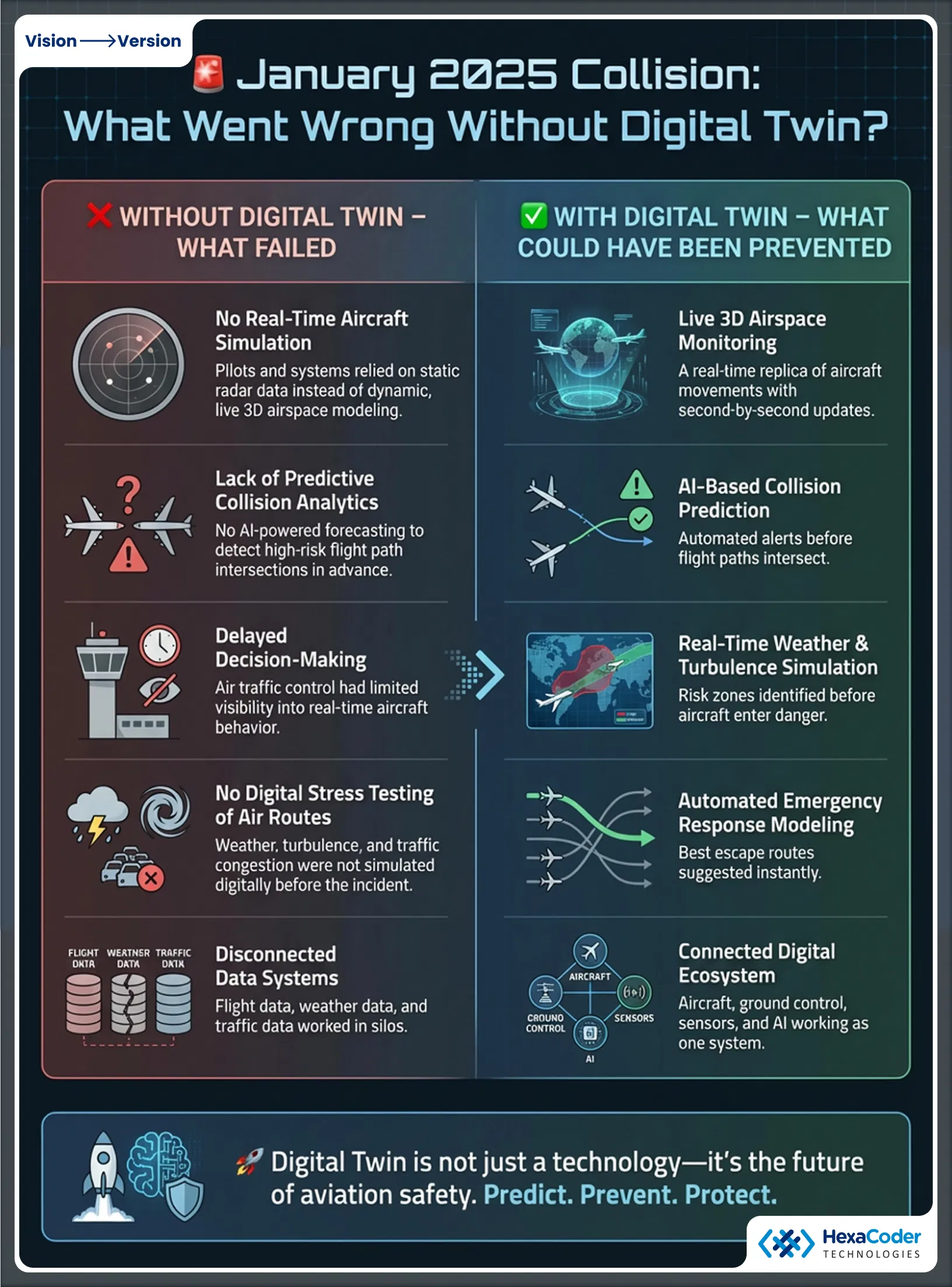
The year's deadliest incident occurred on January 29, 2025, when American Eagle Flight 5342, a Bombardier CRJ700 operated by PSA Airlines, collided with a US Army Sikorsky UH-60L Black Hawk helicopter over the Potomac River near Ronald Reagan Washington National Airport. All 67 people—64 on the commercial jet and three aboard the helicopter—perished in this mid-air collision that occurred at approximately 300 feet altitude, just half a mile from the runway threshold. This marked the first major commercial passenger flight accident in the United States in 16 years.
Two days later, on January 31, 2025, Med Jets Flight 056, a Learjet 55 air ambulance, crashed into a residential area of Philadelphia's Castor Gardens neighborhood shortly after takeoff. The tragedy claimed eight lives—all six people aboard the aircraft and two people on the ground—while injuring at least 23 others. The aircraft exploded upon impact, setting multiple houses and cars ablaze.
February 2025: Alaska and Toronto Incidents
On February 6, 2025, Bering Air Flight 445, a Cessna 208B Grand Caravan, disappeared over Norton Sound while flying from Unalakleet to Nome, Alaska. All 10 people aboard perished when the aircraft crashed into the ice. A preliminary NTSB report later revealed that the aircraft was overweight at takeoff, with an estimated gross weight of approximately 9,865 pounds—exceeding the maximum limit for flights in icing conditions by about 1,058 pounds.
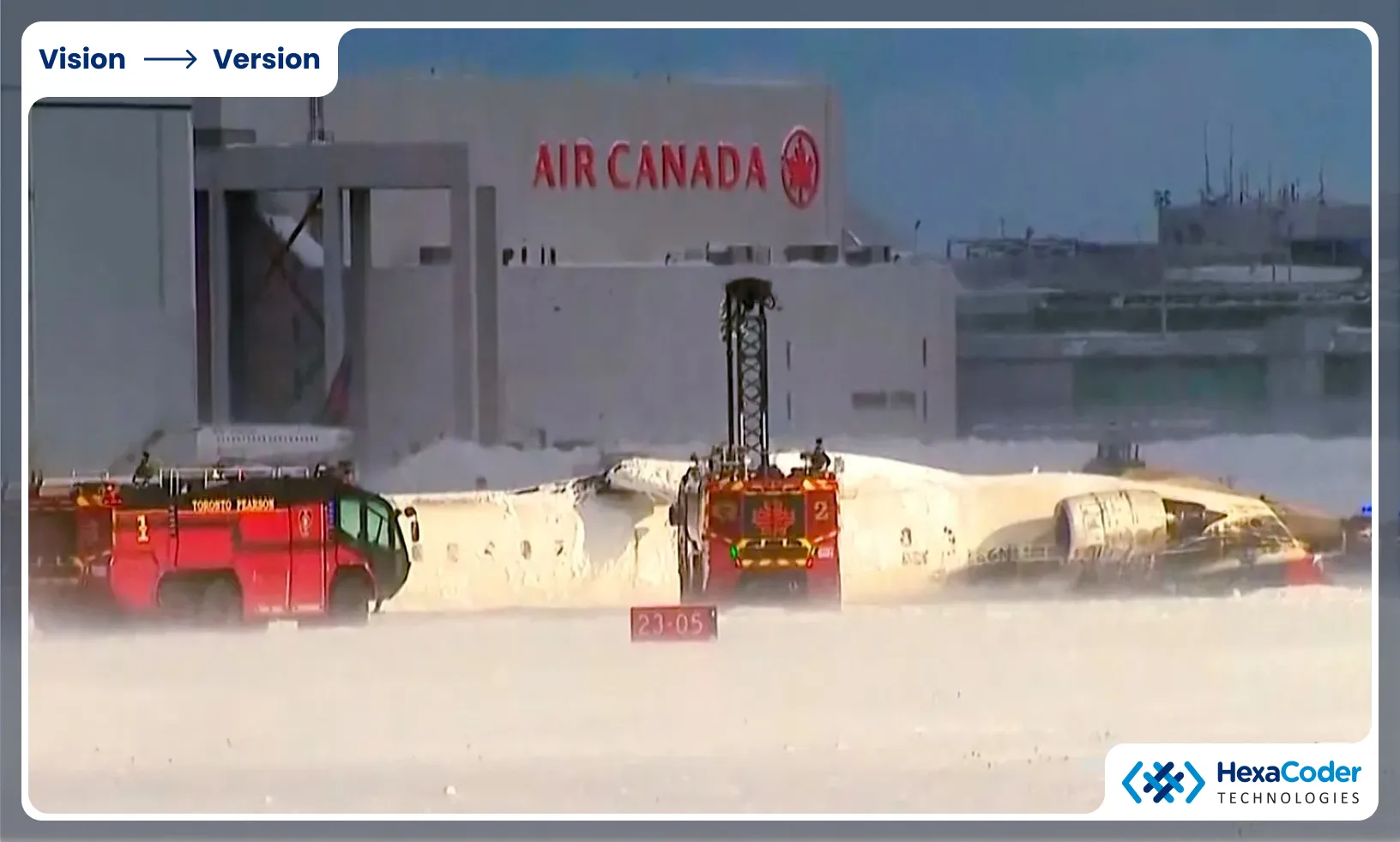
Just days later, on February 17, 2025, Delta Connection Flight 4819, a Bombardier CRJ-900, crash-landed inverted at Toronto Pearson International Airport. Miraculously, all 80 people aboard survived, though 18 sustained injuries in what could have been a far more catastrophic event.
June 2025: The Air India Catastrophe
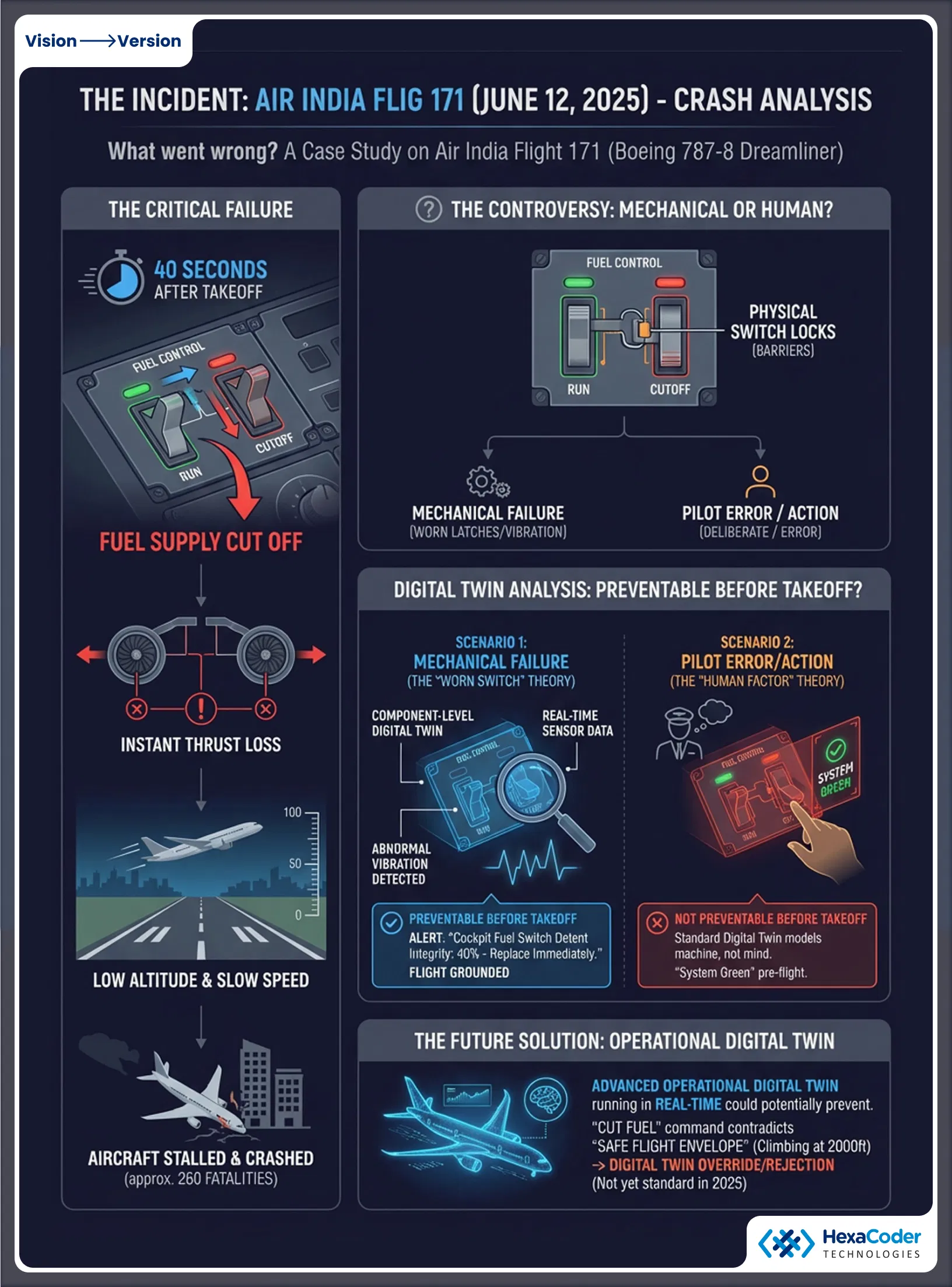
The deadliest single accident of 2025—and indeed of the entire 2020s decade—occurred on June 12, 2025, when Air India Flight 171, a Boeing 787-8 Dreamliner, crashed shortly after takeoff from Ahmedabad Airport in India. The aircraft, carrying 242 people from Ahmedabad to London Gatwick, struck a medical college hostel building shortly after departure. Only one person survived the crash, while 241 passengers and crew, along with 19 people on the ground, lost their lives.
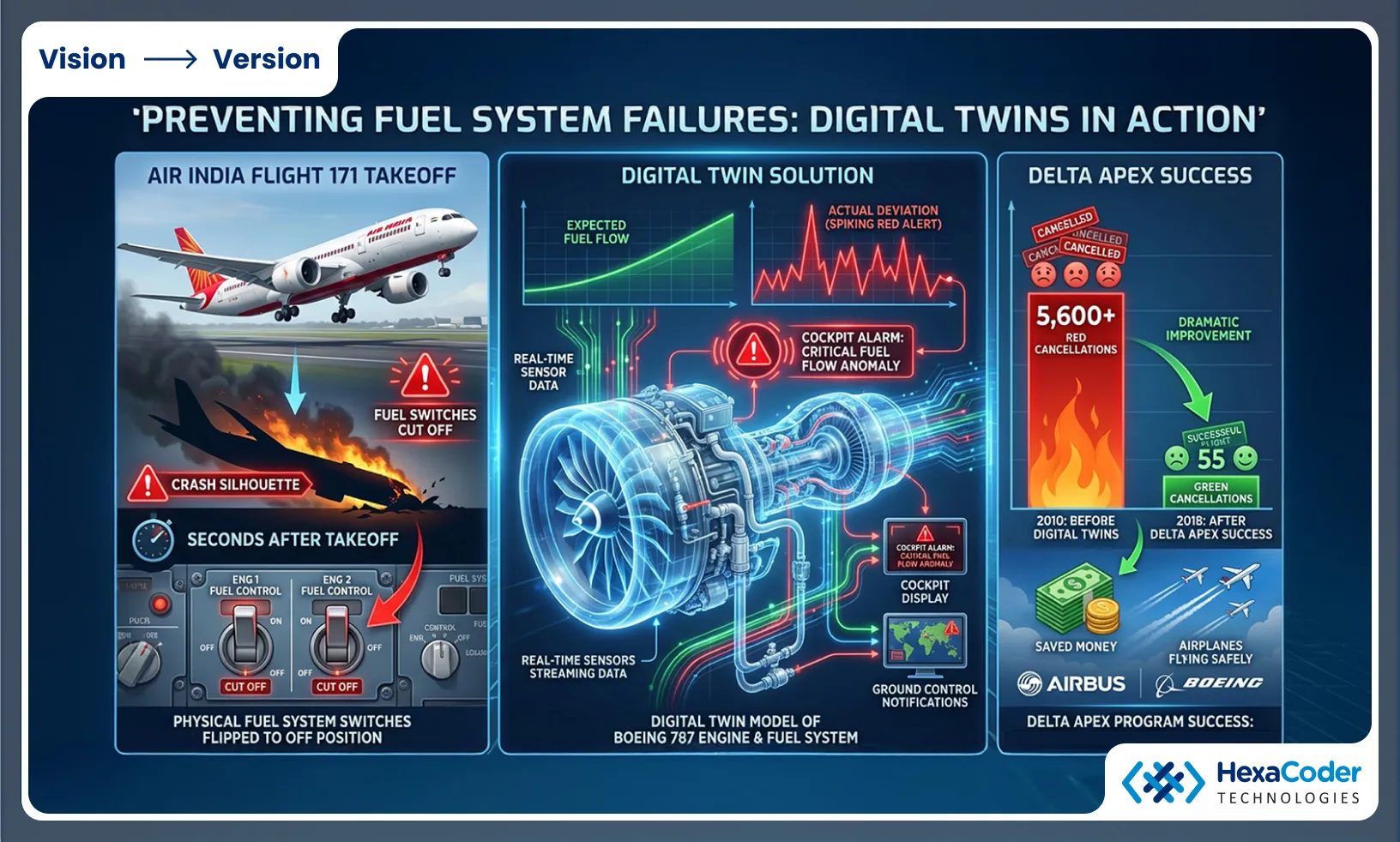
This tragedy marked the first fatal accident and first hull loss of a Boeing 787 Dreamliner since the aircraft entered service. Preliminary crash reports revealed that the fuel switches had somehow been cut off shortly after takeoff—a catastrophic failure that a digital twin system could have immediately detected and alerted crews about.
July 2025: Russian Regional Disaster
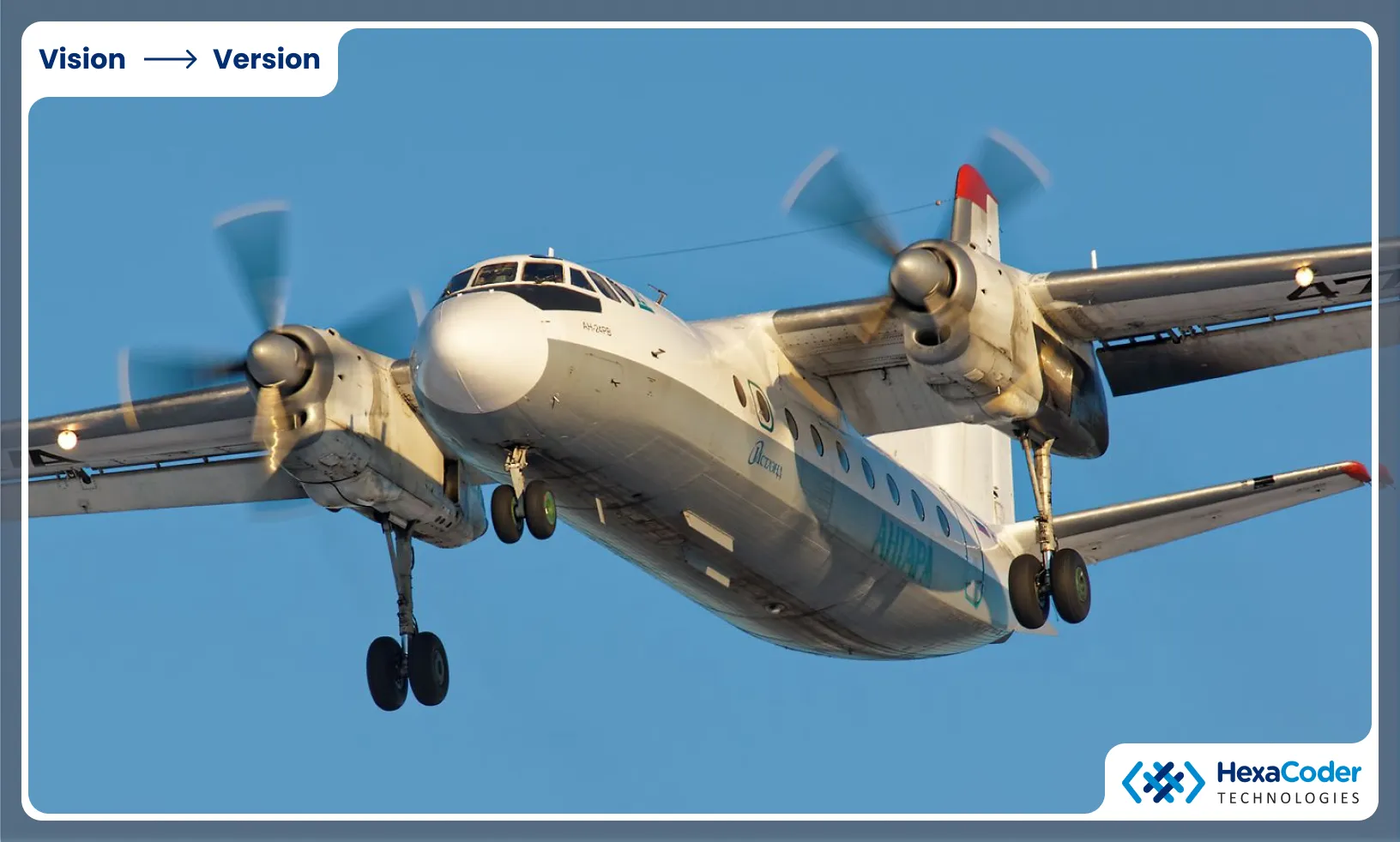
On July 24, 2025, Angara Airlines Flight 2311, an Antonov An-24RV, crashed on final approach during its second landing attempt at Tynda Airport in Amur Oblast, Russia. All 42 passengers and six crew members perished in the crash. Just three days earlier, on July 21, a Bangladesh Air Force Chengdu FT-7BGI trainer crashed into a school shortly after takeoff, killing the pilot and 35 people on the ground.
November 2025: Cargo Aircraft Incident
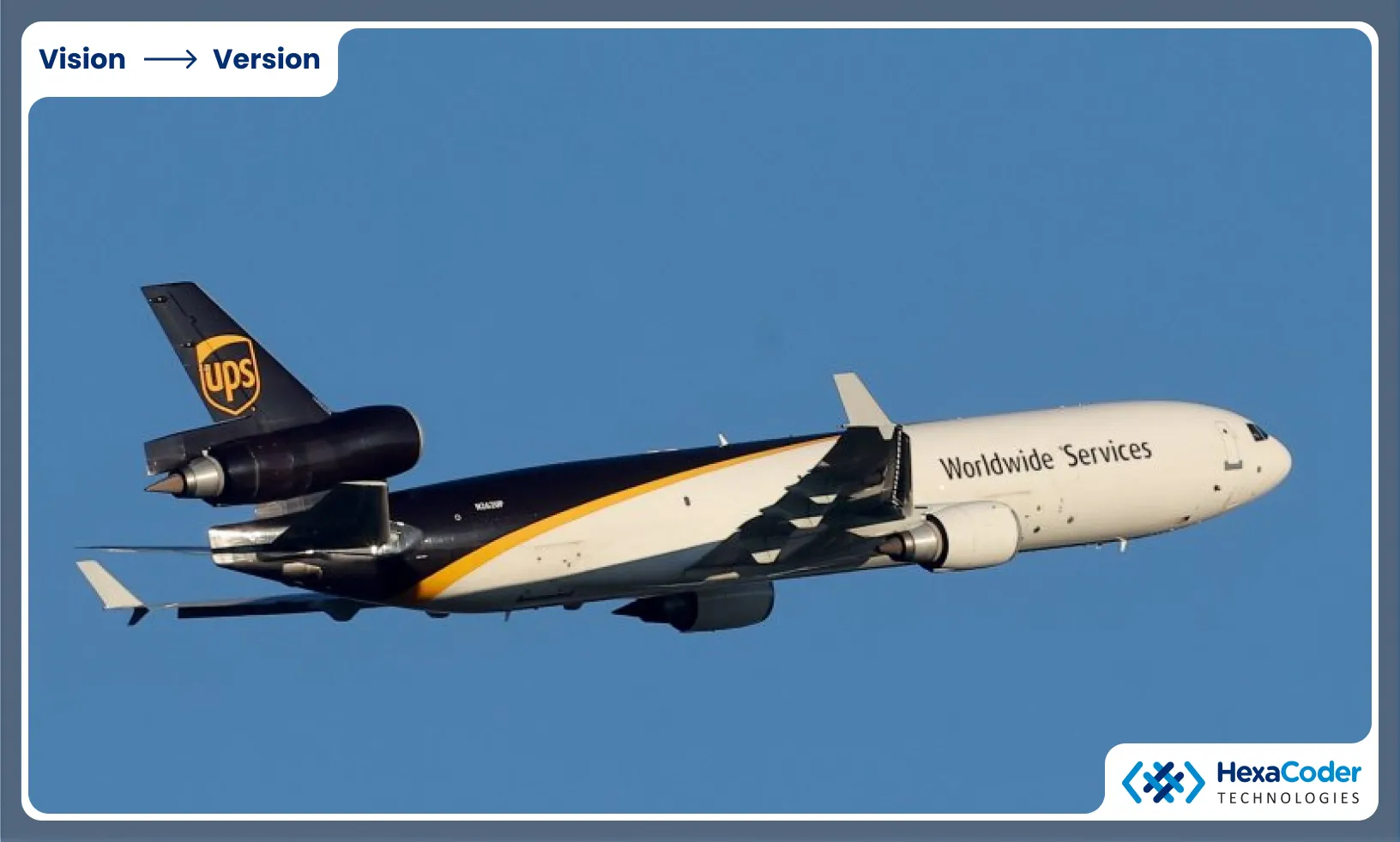
On November 4, 2025, UPS Airlines Flight 2976, a McDonnell Douglas MD-11F cargo aircraft, crashed shortly after takeoff from Louisville, Kentucky, while en route to Honolulu, Hawaii. The crash resulted in 14 fatalities and 15 injuries, highlighting that safety concerns extend beyond passenger aviation to cargo operations as well.
Understanding the Root Causes
Aviation experts analyzing 2025's accidents have identified several recurring failure patterns. Runway excursions were among the most common accident types, with five recorded in the first half of 2025 alone. Bird strikes contributed to multiple incidents, including the Jeju Air disaster where a bird strike preceded the catastrophic runway overrun. Landing gear failures, engine malfunctions, fuel system errors, mid-air collisions, and weight-and-balance miscalculations all played roles in various crashes throughout the year.
Jan-Arwed Richter, founder of German aviation safety firm Jacdec, noted that while 2025's fatality numbers are alarming, they remain within historical norms. However, he emphasized the critical concern: "This year still has more than six months to go, so this could be concerning if this rate of fatal accidents would go on". Despite the tragedies, Richter and other experts stress that air travel remains statistically the safest mode of transportation.
How Digital Twin Technology Could Have Prevented These Disasters
Digital twin technology represents a paradigm shift in aviation safety—moving from reactive maintenance and statistical safety measures to proactive, predictive, and personalized integrity management for every aircraft in a fleet. A digital twin is essentially a high-fidelity virtual replica of a physical aircraft, continuously fed by real-time operational data from sensors throughout the plane. This technology enables engineers and maintenance teams to monitor aircraft health, predict failures before they occur, and simulate various scenarios to optimize safety protocols.
Preventing Fuel System Failures
In the Air India Flight 171 disaster, preliminary reports indicated that fuel switches were mysteriously cut off shortly after takeoff. A digital twin system would have continuously monitored the fuel system's status in real-time, comparing actual fuel flow against expected parameters. Any deviation—such as fuel switches being inadvertently moved to the off position—would have triggered immediate alerts to both flight crew and ground control, potentially averting the catastrophe.
Digital twins enable what experts call "personalized predictive integrity" for each aircraft. Rather than relying on scheduled maintenance based on flight hours, digital twins track the actual condition of every critical system, from fuel pumps to valves, detecting anomalies that indicate imminent failure. This technology has demonstrated remarkable success: Delta Air Lines' APEX program, which leverages digital twin technology, slashed maintenance-related cancellations from over 5,600 annually in 2010 to just 55 in 2018, saving the airline eight figures each year.
Preventing Weight-and-Balance Accidents
The Bering Air Flight 445 tragedy in Alaska, where the aircraft was found to be 1,058 pounds overweight for icing conditions, represents exactly the type of preventable accident that digital twins are designed to eliminate. A digital twin system would have integrated real-time weight data with weather conditions, calculating whether the aircraft was within safe operating parameters before takeoff clearance.
Advanced digital twin platforms can perform real-time performance optimization, continuously calculating an aircraft's center of gravity, weight distribution, and comparing these against safe flight envelopes for current environmental conditions. If the aircraft exceeded safe weight limits, the system would have prevented takeoff clearance and alerted ground crew to reconfigure cargo or passenger loads.
Preventing Bird Strike Catastrophes
Bird strikes contributed to several 2025 accidents, most notably the Jeju Air disaster where a bird strike preceded the runway overrun that killed 179 people. While bird strikes themselves may be unavoidable, digital twin technology integrated with AI-powered bird detection systems can dramatically reduce their impact.
Recent deep learning frameworks for real-time bird detection have achieved over 90% accuracy in identifying birds near airports. When integrated with digital twin systems, these technologies enable proactive responses. The moment a bird strike is detected, the digital twin can instantly simulate the impact on various aircraft systems—engines, control surfaces, hydraulics—and provide pilots with immediate recommendations for safe landing procedures.
Research has shown that digital twin-enhanced predictive maintenance reduces unplanned downtime, extends component lifespan, improves inventory planning, and increases safety compliance. For bird strike scenarios, digital twins can simulate engine performance post-impact, predicting whether sufficient thrust remains for a safe go-around or if an immediate emergency landing is necessary.
Preventing Mid-Air Collisions
The Potomac River collision between American Eagle Flight 5342 and a military helicopter represents a failure of air traffic management and collision avoidance systems. Digital twin technology applied to air traffic control operations creates real-time 3D representations of all aircraft in controlled airspace, enabling predictive collision detection and automatic alerts when aircraft are on conflicting trajectories.
A study on digital twin-based collision avoidance demonstrated that real-time digital twins can perform path planning and collision prediction with remarkable accuracy. By processing data from multiple sensors and creating virtual avatars of all aircraft, the system can identify potential collision risks seconds or even minutes before they occur, providing sufficient time for corrective action.
Implementing airport digital twins—virtual replicas of entire airport operations including runways, taxiways, and airspace—enables active safety systems that continuously monitor for potential hazards. Had such a system been operational at Reagan National Airport, it would have detected the converging flight paths of the commercial jet and military helicopter, triggering automatic alerts and potentially preventing the collision that killed 67 people.
Preventing Runway Overruns
Runway excursions were the most common accident type in the first half of 2025, with five incidents recorded. The Jeju Air disaster, where the aircraft overran the runway after a belly landing and collided with a concrete barrier, exemplifies the type of accident that digital twin-integrated Runway Overrun Prevention Systems (ROPS) are designed to prevent.
ROPS technology, already certified and in service on Airbus aircraft families, continuously monitors an aircraft's position relative to remaining runway length and calculates whether the aircraft can safely stop. The system provides real-time visual and aural alerts, guiding crews in go-around decision-making or, when on the ground, ensuring timely application of deceleration measures.
Analysis has shown that if ROPS had been installed, several past runway overruns would have been avoided, saving millions of dollars in costs. Digital twin integration enhances ROPS by providing even more accurate stopping distance calculations based on the specific aircraft's current condition—tire wear, brake temperature, hydraulic system status—rather than using generic performance models.
Preventing Landing Gear Failures
Research on digital twin-based aircraft landing gear health management has demonstrated significant advantages over traditional maintenance methods. Digital twins of landing gear systems continuously monitor components for wear, predict failures before they become critical, and enable condition-based maintenance strategies where interventions occur at optimal times.
A study on F-16 landing gear digital twins showed that the technology enables accurate real-time failure predictions and diagnostics, potentially eliminating or significantly reducing costly and lengthy unscheduled maintenance events. By analyzing touchdown events, braking forces, and operational stresses accumulated over an aircraft's service life, digital twins can predict when landing gear components will fail with remarkable accuracy.
For passenger aircraft, this predictive capability ensures that landing gear malfunctions—which can lead to catastrophic belly landings like the Jeju Air disaster—are identified and corrected during scheduled maintenance, long before they pose safety risks during flight operations.
Preventing Engine Failures
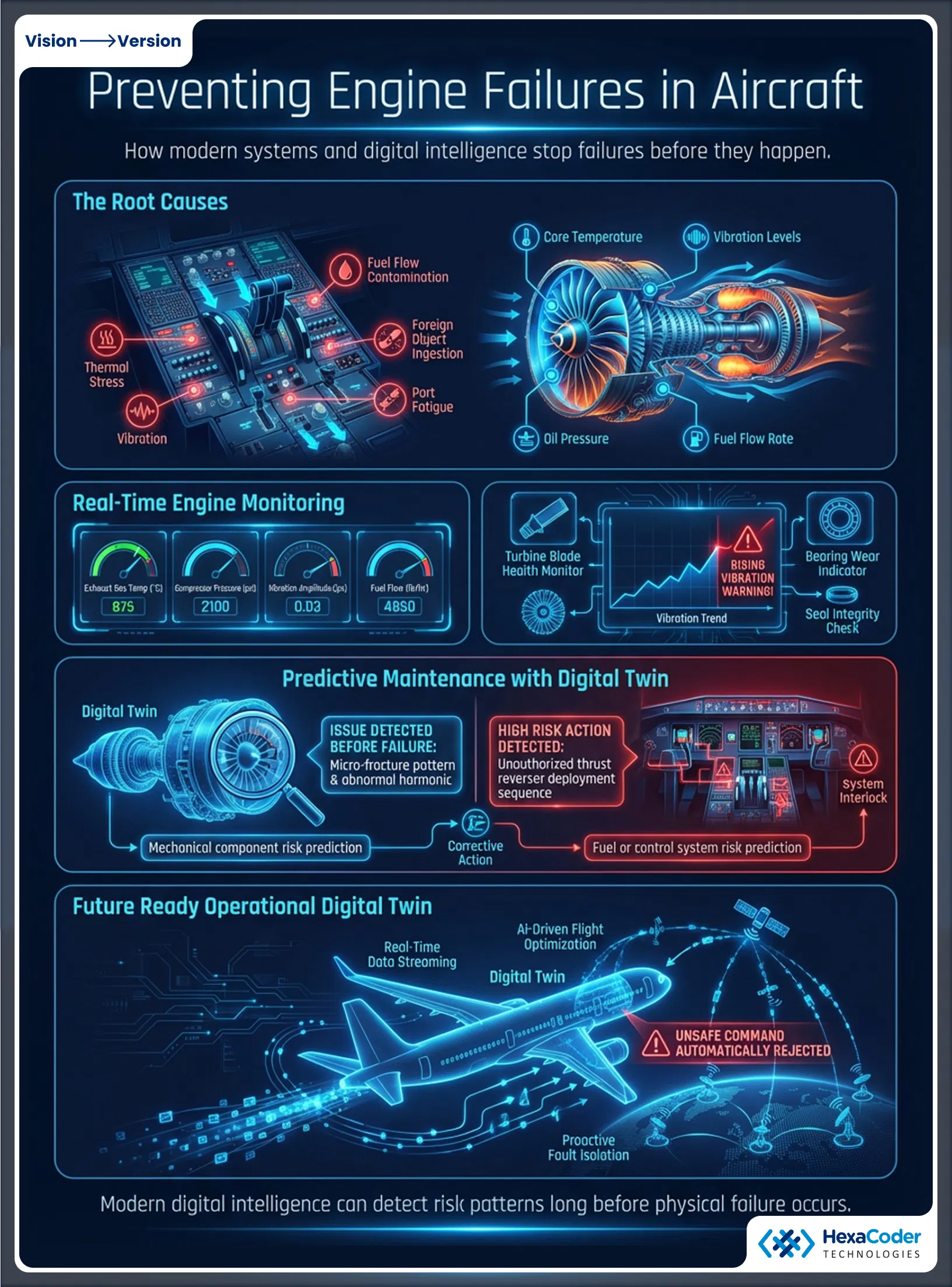
Digital twin technology for aircraft engines has become a game-changer in predictive maintenance. By creating virtual replicas of engines connected via sensors that continuously collect data on temperature, pressure, vibration, fuel consumption, and operational performance, digital twins can detect anomalies and predict failures before they occur.
Boeing's application of digital twin technology to the 787 Dreamliner's battery system demonstrates the technology's potential. Following early battery safety concerns, Boeing used digital twins to monitor battery behavior and performance in real-time, enabling rapid identification of potential risks and implementation of design changes that enhanced overall safety standards.
Research indicates that digital twin-based predictive maintenance in aviation reduces unplanned downtime by 35% (approximately 7.5 hours per 1,000 flying hours), cuts annual maintenance expenditures by USD 200,000-250,000 per aircraft, and achieves 92% predictive accuracy in failure detection. These improvements directly translate to enhanced safety by ensuring engines are maintained based on actual condition rather than arbitrary schedules.
The Broader Benefits of Digital Twin Implementation
Beyond preventing specific accident types, digital twin technology offers comprehensive benefits that enhance overall aviation safety. Real-time monitoring capabilities enable maintenance teams to remotely analyze critical data on aircraft systems and components, facilitating immediate responses to emerging issues. This proactive approach significantly mitigates the risk of unexpected breakdowns or costly disruptions.
Streamlined pilot training through digital twin-powered simulators provides realistic, immersive flight environments where pilots can practice various scenarios and emergency procedures. These simulations enhance skills, confidence, and ability to navigate challenging situations—preparation that proves invaluable during actual emergencies.
Digital twins also optimize performance through comprehensive flight data analysis. By creating virtual prototypes and closely monitoring performance parameters and real-time flight data, aviation experts can identify areas for improvement, optimize fuel consumption, reduce emissions, and enhance overall aircraft efficiency while adhering to strict safety standards.
In terms of regulatory compliance, digital twins serve as invaluable tools for meeting rigorous aviation standards. The technology facilitates monitoring and documentation of essential maintenance records and operational parameters, maintaining comprehensive virtual models of aircraft operations that ensure all pertinent data is readily accessible for regulatory purposes.
How Hexacoder Technologies Can Transform Aviation Safety
Hexacoder Technologies stands at the forefront of digital twin innovation, offering comprehensive solutions specifically designed for the aviation industry's unique challenges. With expertise spanning multipleindustries—from energy and utilities to manufacturing and transportation—Hexacoder brings a holistic approach to aviation safety enhancement.
Advanced Digital Twin Development
Hexacoder Technologies specializes in creating dynamic virtual representations of physical assets, processes, and systems. For aviation applications, this means developing high-fidelity digital twins of entire aircraft, from engines and landing gear to fuel systems and avionics. These digital twins continuously consume data from physical assets, process it using advanced analytics and machine learning algorithms, and provide intelligent feedback to maintenance teams and flight crews.
The company's digital twin solutions enable real-time analysis, scenario simulation, failure prediction, and efficiency improvement. By leveraging cutting-edge technologies including Next.js, WebGL, Three.js, and advanced visualization frameworks, Hexacoder creates intuitive, interactive digital twin interfaces that make complex data accessible to aviation professionals at all levels.
Predictive Maintenance Solutions
Hexacoder's predictive maintenance tools transform how airlines manage their fleets. By implementing digital twins that continuously monitor aircraft health, the company enables maintenance teams to transition from reactive, schedule-based approaches to proactive, condition-based strategies. This shift results in reduced downtime, extended component lifespans, optimized maintenance scheduling, and enhanced safety—exactly the improvements demonstrated by Delta Air Lines' award-winning APEX program.
The company's solutions incorporate custom rules and workflow automation that manage load balancing, safety requirements, and maintenance protocols. These intelligent systems help operators stay compliant, reduce manual errors, and accelerate decision-making, transforming time-consuming calculations into automated, efficient, and accurate digital processes.
Real-Time Monitoring and Analytics
Hexacoder's advanced analytical dashboards unlock deep insights into aircraft performance, operational efficiency, and system health. These customized interfaces track performance patterns, identify inefficiencies, and optimize operations for lasting impact. For aviation safety, this means maintenance teams and flight crews have instant access to critical information that enables informed decision-making during both routine operations and emergency situations.
The company's real-time monitoring solutions integrate seamlessly with existing aircraft management systems, IoT platforms, and enterprise systems. This integration bridges real-time data with predictive insights and operational efficiency, enabling the smart decision-making that modern aviation safety demands.
Custom API Development and System Integration
Recognizing that airlines operate diverse technology ecosystems, Hexacoder offers custom API development that connects digital twin platforms easily with existing fleet management systems, enterprise resource planning (ERP) software, and monitoring systems. This seamless integration ensures that digital twin implementation enhances rather than disrupts existing workflows, maximizing return on investment while minimizing operational disruption.
AR/VR Training Solutions
Hexacoder's expertise extends to augmented and virtual reality applications that immerse maintenance teams and flight crews in realistic training environments. These AR/VR grid previews allow operators to visualize and interact with aircraft systems before deployment, building confidence and reducing costly errors—capabilities that directly enhance safety by ensuring personnel are thoroughly prepared for any eventuality.
Scalable Solutions for All Aviation Operators
Whether working with startups entering the aviation digital twin space or established airlines seeking to scale their capabilities, Hexacoder Technologies provides tailored solutions that meet specific operational needs and budget constraints. The company's project estimators help organizations allocate resources effectively and plan sustainable growth in aviation safety enhancement projects.
For growing airlines, Hexacoder offers business solutions that include AI-powered forecasting, high-quality system models, multi-device access, ERP and supply chain integration, enterprise-grade security, and custom modules. These comprehensive offerings ensure that as an airline's fleet expands, its digital twin capabilities scale proportionally, maintaining safety standards across all operations.
The Path Forward: Making 2026 Safer
As 2025 draws to a close with its tragic toll of aviation casualties, the industry faces a critical decision point. Will airlines continue relying on reactive, schedule-based maintenance and statistical safety measures, or will they embrace the proactive, predictive power of digital twin technology?
The evidence is overwhelming: digital twins work. They reduce maintenance costs, extend component lifespans, minimize downtime, and most importantly, they save lives. Airlines that have implemented digital twin technology have seen dramatic improvements in safety and reliability. Boeing, Airbus, Delta Air Lines, and other industry leaders have demonstrated the transformative potential of this technology.
The accidents of 2025—from the Air India catastrophe to the Potomac River collision—were not inevitable acts of fate. They were preventable tragedies that occurred because critical information was not available in real-time to those who needed it. Digital twins solve this problem by creating comprehensive, continuously updated virtual replicas that provide instant insights into aircraft health and operational status.
For airlines seeking to enhance safety, reduce costs, and protect their most valuable assets—passengers and crew—the message is clear: the future of aviation safety is digital. Technologies like those offered by Hexacoder Technologies represent not just an operational improvement, but a fundamental reimagining of how the aviation industry approaches safety.
As we honor the memory of the hundreds who lost their lives in 2025's aviation disasters, we must commit to ensuring that their deaths were not in vain. By embracing digital twin technology and other advanced safety systems, the aviation industry can make 2026 and beyond dramatically safer. The technology exists, the business case is proven, and the moral imperative is undeniable.
The question is not whether airlines can afford to implement digital twin technology—it's whether they can afford not to. Every flight delayed by a technical issue, every aircraft grounded for unscheduled maintenance, and every life lost in a preventable accident represents a failure to leverage the tools available to us. Digital twins offer a path to a safer future where accidents like those that plagued 2025 become increasingly rare.
Airlines, regulators, and technology providers must work together to accelerate digital twin adoption across the global aviation fleet. The technology is mature, the benefits are proven, and the stakes—measured in human lives—could not be higher. As we look toward 2026, let us resolve to make it the safest year in aviation history, powered by the predictive intelligence and proactive protection that only digital twin technology can provide.
The passengers boarding flights today deserve to know that every possible measure has been taken to ensure their safety. Digital twins, particularly those developed by industry leaders like Hexacoder Technologies, represent the next giant leap in that ongoing mission. The time to act is now, before another preventable tragedy adds to 2025's already devastating toll.